What Home Watch Is — And What It Is Not

Home watch is a term many homeowners hear but don’t always fully understand. It’s often confused with property management, house sitting, or having someone “check in once in a while.” While those approaches may sound similar on the surface, they serve very different purposes.

Understanding what home watch is — and what it is not helps homeowners set realistic expectations and make better decisions about protecting their property when they’re away.


What Home Watch Is

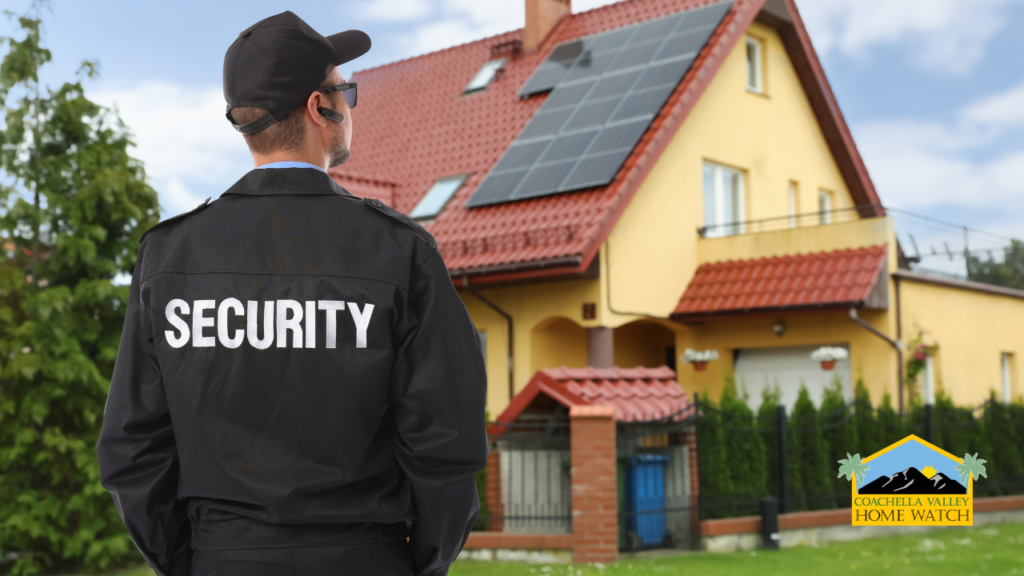
Home watch is a structured, professional service designed to monitor the condition of a vacant or seasonal home through consistent, documented visits.
A professional home watch service focuses on:

  • observing changes inside and outside the home
  • identifying early warning signs before they escalate
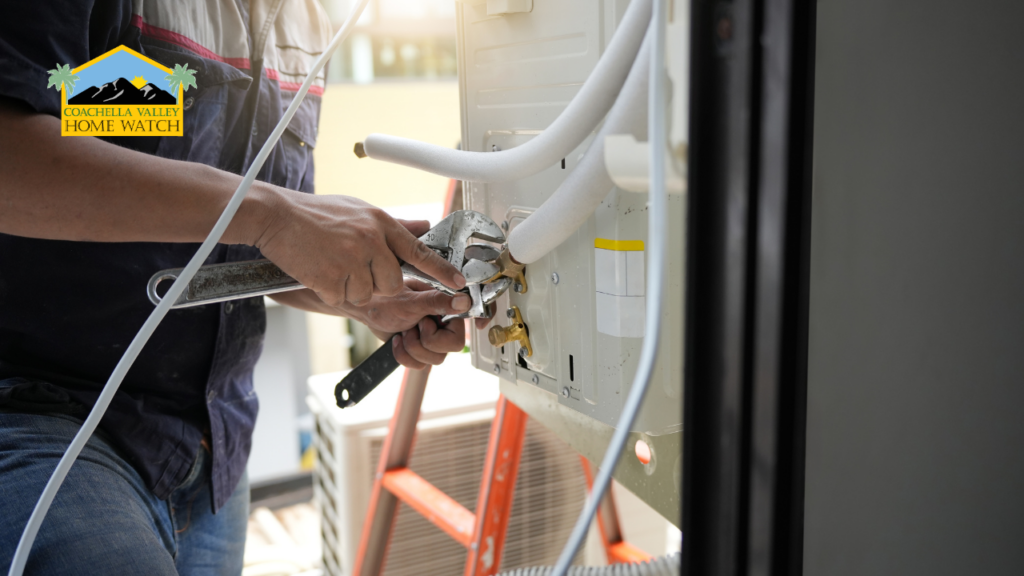
  • checking systems like HVAC, plumbing, irrigation, and security
  • documenting each visit with written reports and photos
  • acting as a point of contact when issues arise

The goal is not to wait for emergencies, but to catch small problems early, when they are easier and less expensive to resolve.

This proactive approach is especially important for homes that sit empty for extended periods.


What Home Watch Is Not

Home watch is not:

  • property management
  • house sitting
  • emergency-only response
  • a one-time walkthrough
  • a replacement for repairs or maintenance services

Home watch professionals do not live in the home, perform construction work, or manage tenants. Their role is oversight, not ownership or daily operation.

This distinction matters because misunderstandings often lead to gaps in protection. Assuming someone is “handling everything” when they are only checking occasionally can leave issues unnoticed for weeks.


Why Clear Expectations Matter

Most home-related damage doesn’t start as an emergency. According to the Insurance Information Institute, many major homeowner claims originate from small, undetected issues that worsen over time.
Without consistent monitoring, those early signs can easily be missed — especially in vacant homes where no one is present to notice subtle changes.

Professional home watch provides consistency, documentation, and accountability that casual check-ins cannot.


How Home Watch Complements Other Services

Home watch doesn’t replace landscapers, pool services, or repair professionals. Instead, it connects the dots.

When something looks off, a home watch professional can:

  • notify the homeowner promptly
  • coordinate with approved vendors
  • monitor follow-up work
  • confirm issues are resolved

This coordination is one of the most valuable aspects of the service.


Who Home Watch Is For

Home watch is ideal for:

  • seasonal residents
  • second-home owners
  • frequent travelers
  • absentee homeowners
  • anyone who wants visibility while away

It’s not about fear. It’s about awareness.

If you’re unsure what home watch typically includes, reviewing common questions can help clarify expectations.


The Real Value of Home Watch

Home watch isn’t a guarantee that nothing will ever go wrong.
It’s a system designed to ensure that when something does change, it’s noticed quickly.

That awareness often makes the difference between a minor fix and a major repair.

If you’ve been relying on assumptions, occasional check-ins, or unclear arrangements, now is the time to get clarity.

👉 Protect your home with professional oversight, not guesswork.
👉 Schedule a consultation today at https://coachellavalleyhomewatch.com/contact/

Peace of mind starts with knowing what’s happening — even when you’re not there.


Why “Just Having a Neighbor Check In” Often Isn’t Enough?

As a homeowner, asking a neighbor to keep an eye on your property feels like the simplest solution. It’s familiar, informal, and usually well-intentioned. Many seasonal and absentee homeowners rely on this approach for years without incident.

Until something goes wrong.

The reality is that while neighbor check-ins come from a good place, they’re rarely designed to protect a home in a consistent, professional way. And the gaps usually don’t become visible until damage has already occurred.

This isn’t about blaming neighbors. It’s about understanding the limits of casual oversight.


Good Intentions Don’t Equal Consistent Oversight

Most neighbors help when they can. But their availability changes.

They may:

  • travel unexpectedly
  • forget to stop by
  • only check the exterior
  • avoid entering the home
  • miss subtle changes

A quick glance from the sidewalk doesn’t reveal indoor temperature issues, plumbing leaks, HVAC problems, or pest activity. Consistency matters more than intention when it comes to protecting an empty home.

This is where structured home watch services differ.


Neighbors Aren’t Trained to Notice Early Warning Signs

Professional home watch is not about looking for disasters. It’s about noticing small changes.

A home watch professional is trained to spot:

  • unusual odors or humidity
  • early signs of leaks
  • HVAC behavior changes
  • irrigation irregularities
  • security or access issues

According to the Insurance Information Institute, many of the most expensive homeowner claims begin as small, undetected issues that worsen over time.

Neighbors are not expected to recognize these signals, and most don’t know what to look for.


No Documentation, No Accountability

One of the biggest gaps with neighbor check-ins is documentation.

If something happens:

  • there is no inspection report
  • no timestamped record
  • no baseline for comparison
  • no clear communication trail

Professional home watch services provide documented reports after each visit, creating accountability and a clear record of the home’s condition over time.

This documentation can also be critical when working with insurance providers or coordinating repairs.


Emergencies Require Authority, Not Availability

If a neighbor discovers a problem, they often don’t know what to do next.

They may hesitate to:

  • contact a plumber
  • authorize repairs
  • enter the home
  • make judgment calls

According to FEMA, delayed response during home-related incidents significantly increases damage severity and repair costs.

Home watch professionals operate with predefined authority, established vendor relationships, and clear escalation procedures.


Security and Liability Concerns Are Often Overlooked

Having a neighbor access your home introduces risk:

  • lost keys
  • shared codes
  • unclear responsibility
  • liability if something goes wrong

Professional home watch services use secure key management systems and operate under defined standards and insurance coverage.

This protects both the homeowner and the person entering the property.


Why Professional Oversight Makes the Difference

The difference isn’t care. Neighbors care.

The difference is:

  • consistency
  • training
  • documentation
  • authority
  • accountability

Professional home watch is not about replacing community. It’s about adding structure where structure matters.


A Stronger Way to Protect What Matters

Your home represents more than property value. It holds memories, plans, and peace of mind.

If you’re relying on casual check-ins and hoping nothing goes wrong, now is the time to rethink that approach.

👉 Schedule a professional home watch consultation today and know — not hope — that your home is protected.
👉 Visit https://coachellavalleyhomewatch.com/contact/ to get started.

Because peace of mind shouldn’t depend on availability. It should depend on oversight.

How Desert Conditions Quietly Affect Homes Over Time

Desert homes are designed to look strong and low maintenance. Thick walls, tile floors, and clean lines give the impression that they can withstand anything the environment throws at them. But over time, desert conditions quietly affect homes in ways most homeowners don’t notice until problems become expensive.

The challenge isn’t dramatic weather events. It’s slow, subtle change.


Temperature Swings and Material Stress

One of the defining features of desert climates is extreme temperature fluctuation. Warm days followed by cool nights cause building materials to expand and contract repeatedly. Over time, this movement can loosen seals, stress joints, and create small gaps around doors and windows.

These changes rarely feel urgent, but they gradually reduce a home’s ability to regulate indoor conditions. Small air leaks can lead to uneven temperatures and increased strain on HVAC systems.


Dry Air, Limited Circulation, and Indoor Balance

Low humidity doesn’t mean indoor air stays fresh. In vacant or lightly used homes, airflow often drops significantly. Without regular circulation, stale air can settle into closed rooms, closets, and storage spaces.

According to the U.S. Environmental Protection Agency, indoor air quality issues often develop when ventilation is limited, even in dry climates.

Many homeowners describe a home feeling “off” before any visible damage appears. That feeling is often the first sign that something has shifted.


HVAC Systems Under Quiet Pressure

Desert HVAC systems work harder than most homeowners realize. Even when a home is unoccupied, cooling and heating systems cycle to maintain baseline temperatures.

Dust buildup, clogged filters, and small mechanical changes can reduce efficiency long before a system fails. The U.S. Department of Energy notes that HVAC systems benefit from regular monitoring to prevent unnecessary strain and premature breakdowns.

Without consistent oversight, these gradual changes often go unnoticed until the system struggles during peak conditions.


Irrigation and Ground-Level Impact

Exterior systems continue to operate even when homes sit empty. Irrigation timers may run year-round, and small leaks can persist unnoticed, especially during cooler months when evaporation slows.

Local water authorities emphasize that irrigation inefficiencies often go undetected without regular checks.

Over time, excess moisture can affect landscaping, soil stability, and hardscaping. These issues tend to develop quietly below the surface.

For homeowners away for extended periods, exterior monitoring is especially important.


Pests and Undisturbed Spaces

Quiet homes attract attention. Rodents and insects are drawn to undisturbed environments that offer warmth and shelter. Entry points that seem insignificant can become access routes over time.

Early signs of pest activity are often subtle and easy to miss without regular walkthroughs. Once pests establish themselves, damage can escalate quickly.


Sun Exposure and Exterior Wear

Constant sun exposure accelerates wear on exterior materials. UV radiation fades finishes, weakens seals, and contributes to long-term degradation of roofing and exterior surfaces.

Because this wear happens gradually, it’s often dismissed as normal aging until repairs become unavoidable.


Why Consistent Oversight Matters

What makes desert-related home issues difficult isn’t severity. It’s silence.

Most problems don’t announce themselves. They develop slowly, out of sight, and without immediate disruption. That’s why consistency matters more than occasional check-ins.

Professional home watch services focus on noticing small changes over time, not reacting to emergencies after damage occurs.

Understanding how a home looks, feels, and functions from visit to visit makes it easier to catch issues early.

For many seasonal homeowners, that awareness is what provides peace of mind.


Frequently Asked Questions

Why do desert homes require ongoing monitoring?
Desert conditions create gradual wear through temperature swings, dry air, sun exposure, and system strain that often goes unnoticed without regular oversight.

Do vacant homes deteriorate faster?
Yes. Limited use means fewer opportunities to notice leaks, airflow issues, or system changes as they develop.

Is HVAC monitoring important in mild seasons?
Absolutely. Small inefficiencies often appear during moderate weather and worsen under extreme temperatures.

Can exterior issues really develop in winter?
Yes. Irrigation leaks and sun exposure continue year-round, even during cooler months.

What’s the biggest risk for seasonal homeowners?
Not sudden damage, but slow changes that compound over time without detection.

What Hard Water Can Do to Your Vacant Home

What Hard Water Can Do to Your Vacant Home

For homeowners in the Coachella Valley, the desert’s beauty comes with its own unique challenges. One of the most underestimated threats to your home—especially when it sits vacant for weeks or months—is hard water. This invisible issue can quietly wreak havoc on plumbing, appliances, and fixtures. Without regular oversight, the damage can go unnoticed until it becomes costly to repair.

At Coachella Valley Home Watch, we specialize in monitoring homes just like yours—keeping an expert eye on the hidden dangers that can arise in this harsh desert environment.

Understanding Hard Water in the Coachella Valley

Hard water is water that contains high levels of minerals, particularly calcium and magnesium. The Coachella Valley’s groundwater is notoriously hard, which means nearly every home in the area deals with the long-term effects of mineral buildup.

For residents who are home year-round, regular usage and maintenance help minimize buildup. But for snowbirds and part-time residents, long periods of inactivity can accelerate problems.

Understanding Hard Water in the Coachella Valley

How Hard Water Affects a Vacant Home

When a home sits unoccupied, water isn’t running regularly through pipes, faucets, or appliances. This can lead to:

1. Mineral Buildup in Pipes

Stagnant water allows minerals to settle and cling to the inside of pipes. Over time, this buildup reduces water flow, increases pressure, and can eventually lead to pipe corrosion or blockages.

2. Clogged Faucets and Showerheads

Mineral deposits harden in fixtures, leading to restricted flow or complete clogs. When water is turned back on after months of sitting, these issues often present themselves all at once.

3. Water Heater Damage

Sediment from hard water settles at the bottom of water heater tanks. Without flushing, this sediment can lead to overheating, reduced efficiency, and even system failure. An unmonitored home is especially at risk.

4. Appliance Wear and Tear

Dishwashers, washing machines, refrigerators with ice makers, and water filtration systems all suffer from hard water buildup—shortening their lifespan and increasing the risk of breakdown.

5. Unsightly Stains and Spots

Calcium deposits around faucets, on tiles, and inside toilets build up much faster in unused homes. These can be difficult to clean once hardened and may even damage finishes.

Why Regular Monitoring Makes the Difference

Routine home watch visits ensure that these issues don’t go unchecked. At Coachella Valley Home Watch, our inspections include running faucets, flushing toilets, and checking for signs of hard water damage or corrosion. If we notice early signs of mineral buildup or appliance strain, we alert you immediately and help coordinate the appropriate service providers.

Hard Water Isn’t Going Away—But the Damage Can Be Prevented

Hard Water Isn’t Going Away—But the Damage Can Be Prevented

You can’t change the water in the Coachella Valley, but you can take steps to protect your property:

  • Install a whole-home water softener or filtration system
  • Flush water heaters and run appliances regularly
  • Schedule professional maintenance before and after long absences
  • Use a trusted home watch service to monitor your home while you’re away

We understand the desert. We live here. We know what to look for—and how to stop problems before they escalate.

Protect Your Desert Home with Confidence

Don’t let hard water silently destroy your investment. With Coachella Valley Home Watch, your home is in expert hands—even when you’re thousands of miles away.

Contact Louis Moreto today to schedule a consultation and learn how our services can give you peace of mind year-round. 760-205-2072


FAQ

How do I know if my home has hard water issues?
Signs include low water pressure, chalky residue on fixtures, cloudy glassware, and early failure of appliances that use water. If you’ve noticed any of these, your home is likely being affected.

Can hard water damage pipes even if I’m not using them?
Yes. When water sits in unused pipes, mineral deposits can still form and harden. That’s why routine flushing and inspection are essential for seasonal homes.

Do water softeners solve the problem completely?
Water softeners greatly reduce mineral buildup but require maintenance and monitoring. If left unchecked, they can fail—making regular home visits even more important.

Is this a problem just in older homes?
No. Even brand-new homes in the Coachella Valley are exposed to hard water. In fact, newer fixtures and appliances can sometimes be more sensitive to mineral damage.