What Home Watch Professionals Look for During Every Visit

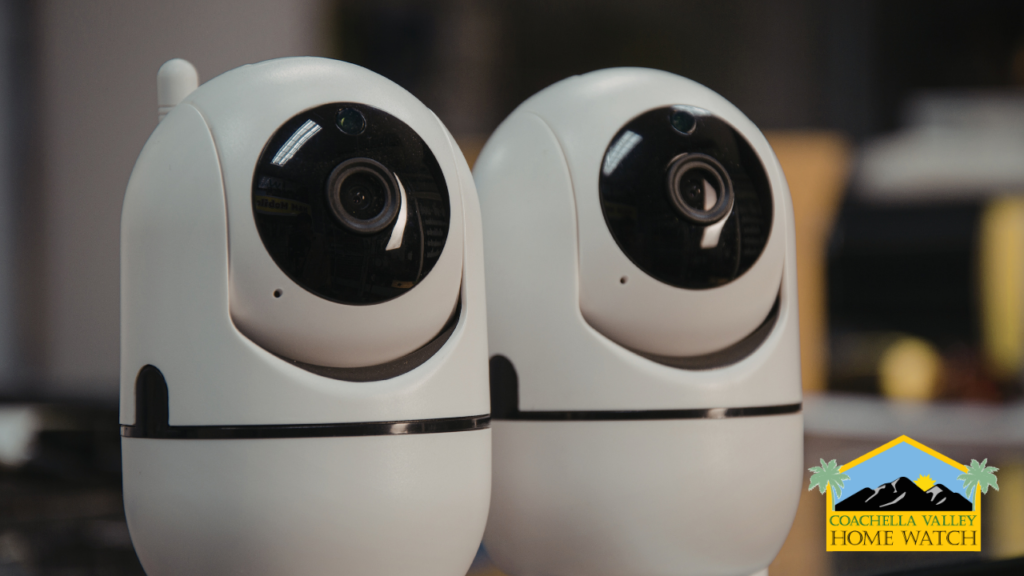
Cameras support visibility but cannot detect environmental changes or intervene physically.

What Home Watch Professionals Look for During Every Visit

To most homeowners, a home watch visit sounds simple. Walk through the house, make sure nothing looks wrong, lock up, and leave.

But professional home watch is far more detailed than that.

Every visit is a systematic inspection designed to catch early warning signs before they become expensive problems. It’s not just about what’s obvious — it’s about noticing what’s slightly different from the last visit.

Here’s what trained Home Watch professionals look for every time they step inside a vacant home.


1. Subtle Environmental Changes Inside the Home

One of the first things a Home Watch professional notices isn’t something they see — it’s something they feel.

Changes in:

  • temperature
  • airflow
  • humidity
  • stale or unusual odors

can signal problems long before visible damage appears.

Poor airflow or trapped moisture can lead to musty smells, condensation, or mold growth, even in dry desert climates. The Environmental Protection Agency notes that indoor air quality issues often develop quietly when ventilation is limited.

A professional walkthrough immediately reveals whether the home feels balanced or if something has shifted since the last visit.


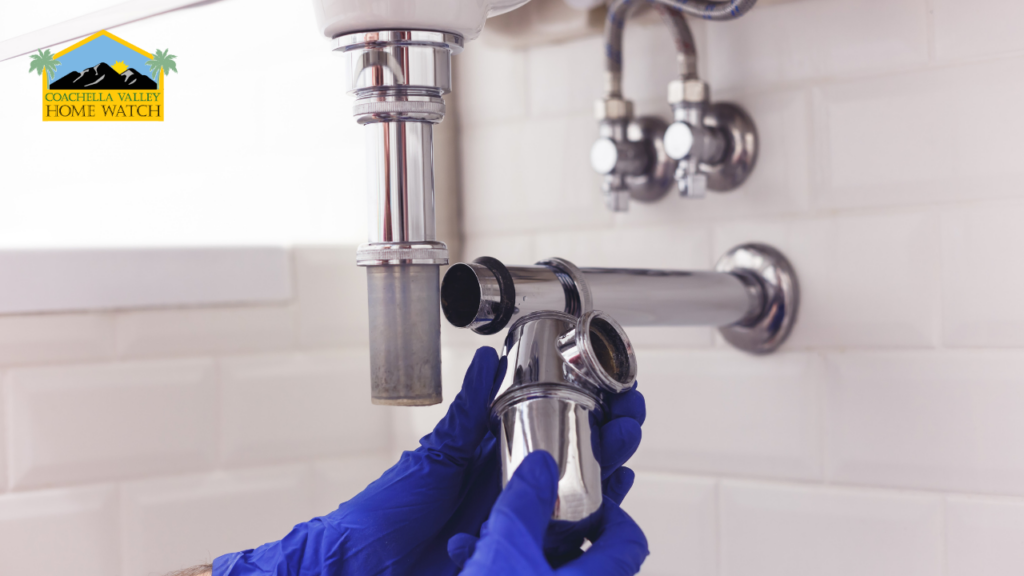
2. Plumbing Systems and Hidden Leak Indicators

Leaks are one of the most common — and costly — issues in vacant homes.

During each visit, Home Watch professionals check for:

  • moisture under sinks
  • toilet bases that feel loose or damp
  • unusual sounds from plumbing
  • signs of slow leaks around water heaters

Many leaks don’t drip loudly or flood instantly. They seep slowly, causing damage behind walls or beneath flooring before homeowners ever notice.

This is why consistent inspections are so effective at preventing water-related damage.


3. HVAC Performance and System Behavior

HVAC systems behave differently when homes sit empty.

Home Watch professionals don’t just check if the system is on — they look for:

  • unusual noises
  • incorrect thermostat settings
  • uneven temperatures between rooms
  • signs of system strain

According to the U.S. Department of Energy, HVAC systems are most efficient and reliable when monitored and maintained regularly rather than left unchecked.

Small HVAC issues caught early can prevent system failure during extreme weather.


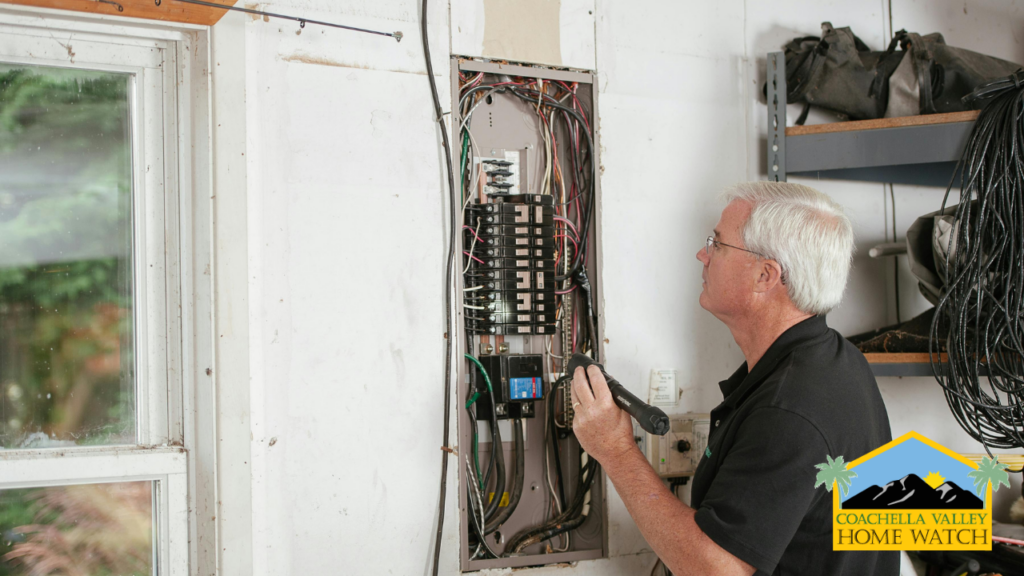
4. Electrical, Lighting, and Power Indicators

Electrical issues don’t always announce themselves.

Professionals check:

  • tripped breakers
  • exterior and interior lighting
  • GFCI outlets
  • signs of power interruption

A single tripped breaker or failed exterior light can indicate a larger electrical issue — or create a security concern if left unresolved.

These checks help ensure the home looks occupied and systems remain functional.


5. Irrigation and Exterior Conditions

Outside the home, Home Watch professionals inspect:

  • irrigation timers and zones
  • sprinkler heads
  • pooling water or soggy soil
  • landscaping stress

Irrigation leaks often go unnoticed in vacant homes because cooler weather allows moisture to linger longer. Over time, this can damage landscaping, foundations, or hardscaping.


 Early detection — catching small issues before they become expensive repairs.

Local water authorities consistently emphasize the importance of monitoring irrigation systems to prevent waste and hidden damage.

For seasonal homeowners, this type of oversight is especially important during long absences.


6. Pest Activity and Entry Points

Quiet homes attract pests.

Professionals look for:

  • droppings
  • nesting material
  • chewed seals or wiring
  • insect activity near doors and garages

Pests often enter homes early and remain hidden for weeks before becoming obvious. Early detection prevents infestations from taking hold.

Industry pest experts consistently note that undisturbed homes are more vulnerable to pest intrusion.


7. Signs of Security or Access Issues

Finally, Home Watch visits include security checks such as:

  • door and window integrity
  • garage access points
  • signs of tampering
  • unexpected packages or notices

Even small changes, like a door not closing the same way it did before, can indicate a developing issue.


Why Professional Oversight Makes the Difference

What Home Watch professionals really bring isn’t just time — it’s context.

 Cameras support visibility but cannot detect environmental changes or intervene physically.

They know how the home looked, felt, and functioned during the last visit. That allows them to spot subtle changes that technology and one-time inspections miss.

Home Watch isn’t about reacting to disasters.
It’s about noticing the quiet signs before they become disasters.

If you’d like to learn more about what a professional Home Watch service includes, the FAQ section offers a clear overview of how visits are structured and reported.


Frequently Asked Questions

• How often should Home Watch visits happen?
Most seasonal homes benefit from weekly or bi-weekly visits, depending on the property and systems.

• Are reports provided after each visit?
Yes. Professional Home Watch services document findings and notify homeowners if action is needed.

• Do Home Watch professionals handle repairs?
They coordinate and oversee repairs but do not perform unlicensed work.

• Can cameras replace Home Watch visits?
Cameras support visibility but cannot detect environmental changes or intervene physically.

• What’s the biggest benefit of Home Watch?
Early detection — catching small issues before they become expensive repairs.

Why Empty Homes Deteriorate Faster Than Lived-In Homes

CVHW

It feels logical to assume that a home left untouched would stay in better condition than one lived in every day. Fewer footsteps. Less wear and tear. No daily mess.

But in reality, the opposite is often true.

Homes that sit empty for weeks or months tend to deteriorate faster than those that are lived in — especially in desert climates like the Coachella Valley. And it usually happens quietly, without obvious warning signs, until the homeowner returns and discovers problems they never expected.

Here’s why a lived-in home stays healthier than an empty one.


1. Homes Are Designed to Be Lived In

Modern homes are built with the assumption that people will be inside them regularly. Doors open and close. Air circulates. Water runs through pipes. Systems turn on and off naturally.

When a home sits empty, those normal cycles stop.

Without daily activity:

  • air becomes stagnant
  • moisture lingers longer
  • plumbing sits unused
  • systems operate less efficiently
  • small issues go unnoticed

According to the U.S. Department of Energy, mechanical systems such as HVAC units perform best when they operate consistently rather than sitting idle for long periods.

This is one reason regular property check-ins play such an important role in protecting unoccupied homes.


2. Lack of Airflow Creates Hidden Problems

Airflow is one of the most overlooked factors in home health.

When people live in a home, doors open, air moves naturally between rooms, and HVAC systems respond to daily patterns. In an empty home, airflow drops dramatically.

That can lead to:

  • humidity pockets in closets and bathrooms
  • stale or musty odors
  • condensation in closed rooms
  • uneven temperatures

The Environmental Protection Agency notes that poor air circulation and trapped moisture can contribute to indoor air quality issues, even in dry climates.

A quick walkthrough can often identify these issues early — long before they cause damage.


3. Small Leaks and System Failures Go Undetected

In a lived-in home, a dripping faucet or a running toilet is usually noticed immediately.

In an empty home, those same issues can continue quietly for days or weeks.

A slow leak under a sink.
A cracked irrigation line beneath gravel.
A water heater that begins to struggle.

Because no one is there to see or hear these changes, minor problems are given time to grow into major repairs. This is exactly why consistent inspections are so effective at preventing costly surprises.


4. Pests Prefer Quiet, Undisturbed Spaces

Empty homes are especially attractive to pests.

Rodents and insects look for:

  • warmth
  • shelter
  • consistency
  • lack of human activity

With no lights turning on and no daily movement, vacant homes provide ideal conditions for pests to settle in unnoticed.

Pest control experts consistently report increased indoor pest activity when temperatures begin to cool and homes remain undisturbed.
Once pests establish themselves, they often remain hidden in walls, attics, garages, or landscaping areas until damage is already done.


5. Systems Decline Faster Without Regular Use

Mechanical systems are designed to run.

When HVAC systems, plumbing, and electrical components sit idle:

  • seals can dry out
  • sensors may fail
  • motors strain when restarted
  • performance becomes inconsistent

Ironically, homes that are lived in often experience fewer system failures than those that sit empty. Regular use keeps components moving and reveals early warning signs before breakdowns occur.

This is one reason seasonal homeowners benefit from professional oversight when they’re away for extended periods.


6. Problems Compound Without Human Awareness

Perhaps the biggest difference between an empty home and a lived-in one is awareness.

People notice when something feels off:

  • a room smells different
  • the air feels heavy
  • a floor feels damp
  • a system sounds louder than usual

These subtle signals are early warnings. Without a human presence, they go unnoticed — and problems compound quietly over time.


Why Regular Check-Ins Make the Difference

Empty homes don’t deteriorate because they’re neglected intentionally.
They deteriorate because no one is there to notice small changes early.

Regular home check-ins restore what’s missing:

  • visual inspections
  • airflow awareness
  • system monitoring
  • early intervention
  • peace of mind

They bridge the gap between absence and protection.


Frequently Asked Questions

• Do empty homes really deteriorate faster than occupied ones?
Yes. Without airflow, system use, and human awareness, small issues are more likely to go unnoticed and worsen over time.

• What problems are most common in vacant homes?
Humidity issues, leaks, pest activity, HVAC strain, irrigation problems, and stale air are among the most frequent.

• Isn’t it better that nothing is being used?
Not always. Many systems perform better with regular operation and observation than when sitting idle.

• How quickly can problems develop in an empty home?
Some issues can begin within days, especially leaks, airflow imbalances, or pest entry.

• What’s the best way to protect an unoccupied home?
Consistent, professional home watch visits that identify changes early and prevent escalation.

Why Cameras Alone Can’t Protect an Empty Home: The Human Element That Technology Can’t Replace

Today’s smart security cameras can do incredible things. They can send alerts to your phone, record motion, and even speak through two-way audio. But when it comes to protecting an empty home — especially a seasonal or second home — cameras alone aren’t enough.

A camera can show you that something happened.
Only a human can step in to prevent it from becoming something worse.

Whether your desert home sits empty for weeks or months, understanding the limitations of digital surveillance is essential. The truth is simple: technology can support home security — but it can’t replace real, physical oversight.

Here’s why.


1. Cameras Can Detect — But They Can’t Intervene

A camera can notify you that there’s movement.
It can show you a leak that’s been dripping for hours.
It can alert you that a door is open.

But what happens next?

If you’re hundreds or thousands of miles away, you can’t turn off the water, secure a door, or check the source of a strange noise. You can’t investigate a smell, confirm a malfunction, or shut off a system that’s overheating.

A camera records the problem — a human prevents the damage.

And with issues like leaks, HVAC failures, pests, or broken irrigation lines, minutes and hours matter.


2. Cameras Don’t Notice What They’re Not Pointed At

Most home issues happen off-camera:
A camera sees only one angle.
One corner of a room.
One space in a garage.
One view of a yard.

  • a leaking shower line behind the wall
  • a breaker that trips in a back room
  • musty smell in a closet
  • water damage around a window
  • pests settling into corners or attics
  • irrigation leaks hidden under gravel

Your home is a living system — and most problems begin quietly, slowly, and completely outside the range of any lens.

A human walkthrough catches early warning signs long before the homeowner even knows something is wrong.


3. Cameras Can’t Feel Temperature, Humidity, or Airflow

One of the biggest risks for empty homes is environmental change.

Cameras can’t detect:

  • stale air
  • humidity pockets
  • hot or cold spots
  • condensation forming in closed rooms
  • the smell of mildew
  • an HVAC system struggling

These shifts happen slowly, especially in the Coachella Valley where daytime heat and nighttime cool can strain systems unexpectedly.

A camera can’t sense a home becoming imbalanced — but a human can walk in and feel instantly that something isn’t right.


4. Cameras Can’t Respond During Service Delays

Even if you catch a problem remotely, holiday periods, weekends, and busy seasons often mean:

  • slow HVAC response times
  • plumbers unavailable
  • irrigation techs booked out
  • landscaping delays

A Home Watch professional becomes the “first responder” for your property — allowing issues to be addressed faster, even during service bottlenecks.

Cameras can record the damage.
Humans can prevent it.


5. Cameras Don’t Provide Accountability or Decision-Making

A camera can’t:

  • shut off a water main
  • secure a window
  • stop a leak
  • inspect a circuit
  • handle deliveries
  • guide contractors
  • confirm repairs were done
  • provide written reports
  • use judgment

Home Watch is built on human presence — not just observation.
Someone who knows the property, understands how systems behave, and recognizes when something looks or feels off provides a level of protection technology cannot match.


6. Technology Supports Security — But People Provide Peace of Mind

Cameras are incredibly useful tools.
They help homeowners feel connected and informed.
They add an extra layer of visibility.

But no matter how advanced they become, they can’t replace:

  • instinct
  • experience
  • local knowledge
  • physical checks
  • hands-on problem solving
  • nuanced observations
  • real-time intervention

When a home sits empty, peace of mind comes not from a screen — but from knowing someone is actually there.

Technology alerts you.
A human protects you.


Your Home Needs More Than a Lens — It Needs a Human Touch

An empty home requires more than remote monitoring.
It needs someone who can walk through the door, notice changes, prevent damage, and step in when something doesn’t look right.

Cameras can watch.
Humans can act.

And that simple difference is what keeps seasonal homes safe, stable, and exactly as you left them.


Frequently Asked Questions

• Are cameras still helpful for seasonal homes?
Yes — they provide alerts and visibility. But they should complement, not replace, physical home checks.

• What types of problems do cameras miss?
Humidity issues, HVAC failures, leaks, pests, odors, airflow problems, broken irrigation lines, and anything happening outside the camera’s range.

• Do cameras help prevent damage?
They help you see potential problems, but only a person on-site can intervene before damage spreads.

• Why do empty homes need human oversight?
Because many issues develop slowly and quietly — and only a walk-through can detect them before they escalate.• What’s the ideal setup for a seasonal home?
A combination of smart cameras and scheduled Home Watch visits. Cameras provide alerts, humans provide action.

Early December: The Most Overlooked Risk for Seasonal Homes

Why December Is the Best Month to Protect Your Car From UV Damage in the Coachella Valley

Early December feels peaceful in the Coachella Valley. Holiday lights go up, mornings turn cool, and many seasonal homeowners make quick trips to visit family. It’s a beautiful time of year — but also one of the most overlooked risk periods for desert homes left empty.

While early December seems mild, the combination of shifting temperatures, winter irrigation changes, increased pest activity, and slower holiday service schedules creates the perfect environment for issues to develop quietly. And because most homeowners assume December is “safe,” small problems are more likely to go unnoticed.

Here’s what makes this time — the very start of winter — more important than most people realize.

1. Sudden Temperature Drops That Stress Desert Homes

Early December brings the first real temperature swings of the season. Warm afternoons can fall into chilly nights in a matter of hours.

Your home feels these shifts more strongly when it sits empty:

  • HVAC systems cycle harder
  • Window and door seals expand and contract
  • Condensation can form in closed rooms
  • Older water heaters work overtime

According to the U.S. Department of Energy, heating and cooling systems are some of the largest energy loads in any home, and they work best when temperatures are managed consistently rather than allowed to swing dramatically between extremes. 

Even a short period of imbalance can create humidity pockets, stale air, or strain on aging systems. Without regular airflow or oversight, these early-winter swings can start small problems that grow quietly through the month.

If you want a detailed breakdown of how Coachella Valley Home Watch checks HVAC, electrical, and other systems while you’re away, you can review their service checklist here: 

2. Winter Irrigation Schedule Changes Increase the Chance of Hidden Leaks

December is when HOAs, landscapers, and cities switch to winter watering schedules.

This transition is where problems sneak in:

  • Timers reset incorrectly
  • Irrigation zones shut off unexpectedly
  • Broken sprinkler heads go unnoticed
  • Soil changes expose plants to stress

The Coachella Valley Water District’s watering guide shows just how much recommended watering frequency and volume drop between fall and winter months — and how easily misadjusted timers can over- or under-water landscaping. 

Because temperatures are cooler, leaks don’t dry out quickly. Moisture can sit longer beneath gravel, near foundations, or around planters — and homeowners often won’t see signs until returning weeks later.

If you’re planning to be away for most of December, this is a good time to review long-absence prep tips like securing irrigation, managing mail, and setting interior systems correctly: 

3. Pests Begin Seeking Warmth — and Quiet Homes Become Targets

As nights get colder, pests in the desert go looking for warmth.

Empty homes offer:

  • Consistent shelter
  • No foot traffic
  • Quiet corners
  • Steady interior temperatures

Winter pest-prevention guidance consistently notes that rodents and insects begin moving indoors as outdoor temperatures drop, seeking warm, protected spaces with access to food and water.

Many homeowners don’t realize pest activity usually spikes in the late fall and early winter — not because pests “appear” all at once, but because this is when they begin searching for long-term indoor shelter. Once inside, they can settle into attics, garages, and wall voids where activity goes unnoticed for months.

A professional Home Watch visit can spot early indicators: droppings, chewed materials, or unusual noise or odor before it turns into a larger infestation.

4. Holiday Service Delays Slow Down Response Times

Even the most reliable contractors shift their schedules around early December:

  • HVAC companies reduce staff
  • Plumbers book out further
  • Landscapers take extended weekends
  • Irrigation techs limit calls
  • Vendors pause non-urgent work

That means if something goes wrong while you’re away — even something small — help may not come immediately.

A simple leak, outage, or HVAC problem that would be fixed within hours in October may sit unattended for days during December. And when an issue sits, it grows.

This is one of the biggest reasons early December is risky: problems that start during this time often aren’t addressed quickly.

If you’re unsure what kinds of issues a Home Watch provider can identify before they get out of control, the FAQ page gives a clear overview of what’s checked and how problems are communicated: 

5. Homeowners Underestimate the Season — and That’s When Issues Happen

Many seasonal residents assume December is “safe” because:

  • Temperatures feel comfortable
  • Storms are rare
  • Pests seem less active
  • Landscaping slows down
  • Holiday trips are short

But those assumptions are exactly what make early December problems so easy to miss.

A home doesn’t need extreme heat or heavy storms to develop issues.
All it needs is time, silence, and small unnoticed changes.

That’s why early December — quiet, calm, and seemingly harmless — becomes one of the most overlooked risk periods of the entire year.

Protect Your Home During the Most Overlooked Month

Early December isn’t the season of emergencies — it’s the season of subtle changes.

Temperature swings
Irrigation shifts
Pest activity
Holiday delays
Short absences

Each one is small on its own… but together, they create the perfect environment for problems to grow when no one is watching.

If you’d like to better understand how Home Watch fits into long-term property care in the desert, the “What is a Home Watch service?” This page is a great overview.

A simple Home Watch visit can prevent these early December surprises — ensuring your Coachella Valley home stays safe, balanced, and exactly as you left it.

Frequently Asked Questions

• Why is early December riskier than other winter months?
Because it includes the first temperature drops, major irrigation schedule changes, and the start of holiday service delays — all at once.

• Can small temperature shifts really affect a home?
Yes. Even mild swings between warm afternoons and cold nights can strain HVAC systems, window seals, and airflow in empty homes.

• Why do pests become more active in December?
As nighttime temperatures fall, pests look for warm, quiet shelter — and seasonal homes offer ideal conditions when they sit empty for days or weeks.

• What irrigation issues happen during winter transitions?
Timer resets, broken sprinkler heads, unnoticed leaks, or shut-off zones are all common during winter schedule changes and can stay hidden longer in cooler weather.

• Should I check my home even if I’m gone only a few days?
Yes. December problems often form quickly — and holiday response delays can make small issues worse by the time you return.