
Most homeowners don’t expect serious damage to happen overnight.
They expect something obvious.
A burst pipe. A system failure. A major event.
But in reality, the most expensive home repairs rarely start that way.
They start small.
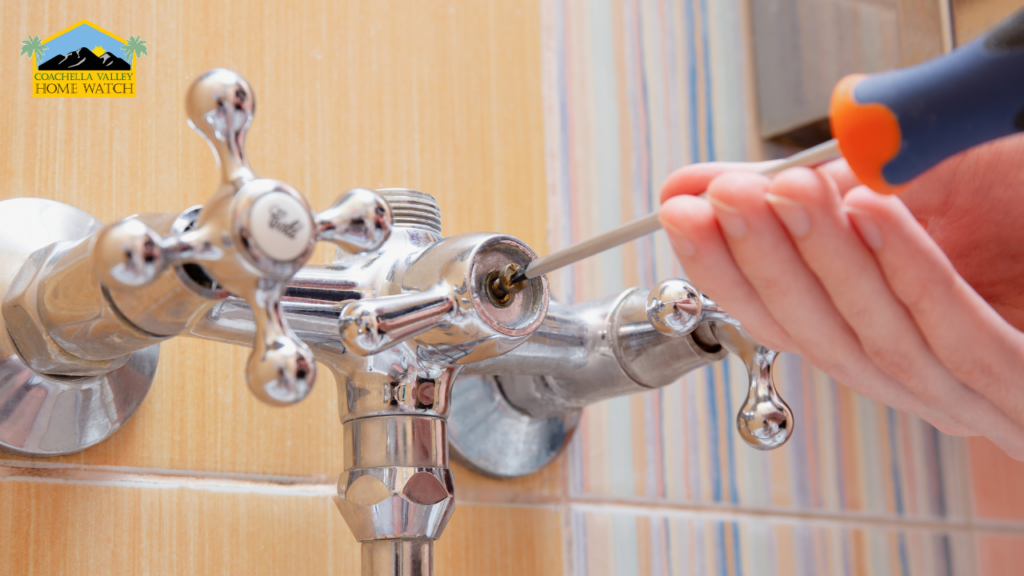
A slow drip under a sink.
A slightly misaligned sprinkler.
An HVAC system working just a little harder than usual.
On their own, these issues don’t seem urgent. But when they go unnoticed — especially in vacant or seasonal homes — they have time to grow into something much bigger.
Small Problems Don’t Stay Small Without Attention
In an occupied home, minor issues are usually caught early.
You hear a noise.
You notice moisture.
You see something that doesn’t look right.
But when a home is vacant, there’s no one there to notice those early signs.
According to the Insurance Information Institute, many of the most costly homeowner claims begin as small, undetected issues that worsen over time.
What could have been a quick fix becomes a major repair simply because it wasn’t seen in time.
Water Damage Is the Most Common Example
A small plumbing leak is one of the clearest examples of how damage escalates.
It often starts with:
- a loose fitting
- a worn seal
- minor corrosion
Left unattended, that small leak can lead to:
- soaked cabinetry
- damaged flooring
- mold growth
- structural issues
The longer water is present, the more extensive the damage becomes.
Time Is What Turns Minor Issues Into Major Costs
The key factor isn’t severity — it’s time.
A problem that lasts:
- 1 day → minor inconvenience
- 1 week → noticeable damage
- 1 month → expensive repair
According to Federal Emergency Management Agency, early detection and response significantly reduce the extent of property damage.
Vacant homes are especially vulnerable because issues can continue for long periods without interruption.
Systems Don’t Fail Suddenly — They Drift
Most home systems don’t break all at once.
They change gradually:

- HVAC efficiency decreases
- irrigation becomes misaligned
- electrical systems show subtle warning signs
These changes are easy to ignore — until they lead to failure.
The U.S. Department of Energy notes that ongoing monitoring and maintenance are essential to prevent system breakdown and inefficiency.
Why Vacant Homes Are at Higher Risk
In vacant homes, there is no daily feedback loop.
No one notices:
- sounds
- smells
- temperature changes
- moisture buildup
- subtle system behavior
That absence of awareness is what allows small issues to grow unchecked.
Professional home watch services provide structured walkthroughs to detect these changes early.
Understanding how home watch works can help homeowners see the difference between occasional checks and consistent oversight.
If you’re unsure what’s included, the FAQ page explains the process clearly.
Prevention Is Always Less Expensive Than Repair
The cost difference between early detection and delayed repair is significant.
A minor fix today can prevent:
- thousands in repairs
- insurance complications
- long-term property damage
This isn’t about expecting something to go wrong.
It’s about making sure small issues don’t have time to become big ones.
FAQ – Small Issues vs Major Home Repairs
1. Do small home issues really lead to major damage?
Yes. Most serious home repairs start as minor problems that go unnoticed over time.
2. What is the most common cause of expensive home repairs?
Water damage from leaks is one of the leading causes.
3. How quickly can a small issue become serious?
In some cases, within days. Over weeks or months, damage can become significant.
4. Are vacant homes at higher risk?
Yes, because no one is present to notice early warning signs.
5. Can home watch services prevent damage?
They help detect problems early, which reduces the risk of major repairs.
6. Do cameras help prevent these issues?
Cameras provide visibility but cannot detect many system or maintenance problems.
7. What systems should be monitored regularly?
Plumbing, HVAC, irrigation, electrical, and overall home condition.
Strong Call to Action
The most expensive repairs usually don’t come from sudden disasters.
They come from small issues that were left unnoticed.
👉 Don’t wait until a minor problem becomes a major expense.
👉 Schedule professional home watch services today.