The Hidden Risk: How a False Sense of Security Leaves Homes Vulnerable
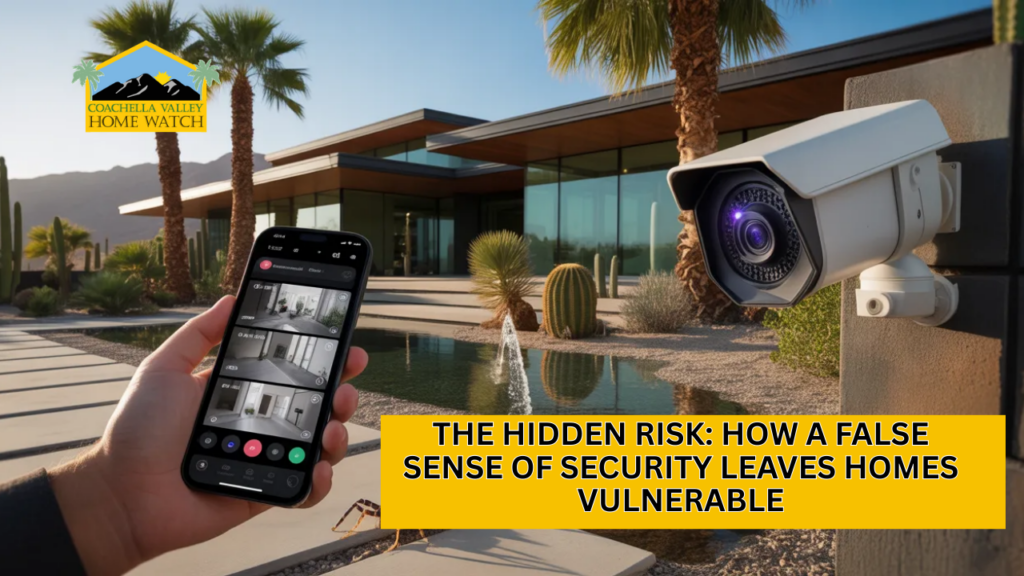
The Hidden Risk: How a False Sense of Security Leaves Homes Vulnerable

Most homeowners don’t ignore risk intentionally. In fact, many feel confident that their home is protected.

The alarm system is set.
The cameras are online.
A neighbor is nearby.
Nothing has gone wrong before.

And that confidence — while understandable — is often where the real risk begins.

Because the most common threat to vacant and seasonal homes isn’t dramatic failure. It’s a false sense of security.


Security Tools Create Visibility — Not Oversight

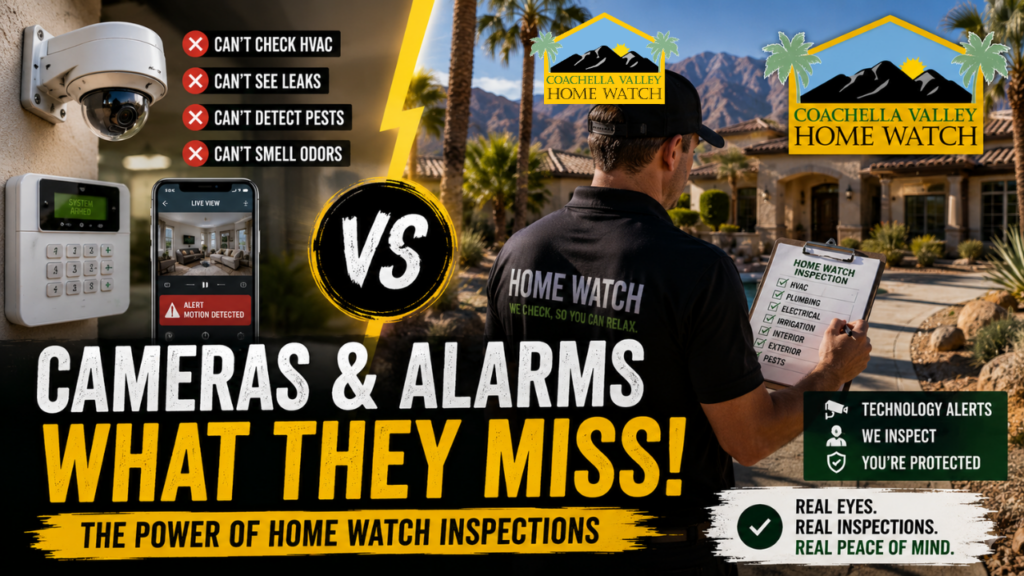
Modern security systems are valuable tools. Cameras, alarms, and remote access apps provide visibility and alerts.

The Hidden Risk: How a False Sense of Security Leaves Homes Vulnerable

But visibility is not the same as awareness.

A camera shows what’s in frame. It doesn’t reveal:

  • slow plumbing leaks
  • HVAC strain
  • irrigation malfunctions
  • subtle humidity changes
  • small pest entry points

According to the Insurance Information Institute, many costly homeowner claims originate from small issues that go undetected for extended periods.

Most of these problems don’t trigger alarms. They develop quietly.


“Nothing Has Happened Before” Is Not a Strategy

Another common mindset is relying on past experience.

The Hidden Risk: How a False Sense of Security Leaves Homes Vulnerable

Homeowners often say:

  • “We’ve never had a problem.”
  • “The house has always been fine.”
  • “We’ve been doing it this way for years.”

But risk doesn’t operate on history — it operates on conditions.

Changes in weather, system age, vacancy duration, and simple wear all increase vulnerability over time. The U.S. Department of Energy notes that home systems naturally degrade and require monitoring, especially when occupancy patterns change.

Past stability does not guarantee future protection.


The Illusion of “Someone Is Keeping an Eye on It”

Many homeowners believe someone is loosely watching the property. But informal check-ins often lack:

  • structure
  • documentation
  • comparison over time
  • defined authority

Without consistency, subtle changes are easy to miss.

Professional home watch differs because it focuses on full-condition oversight — not just visual confirmation.


Why Small Issues Become Big Problems

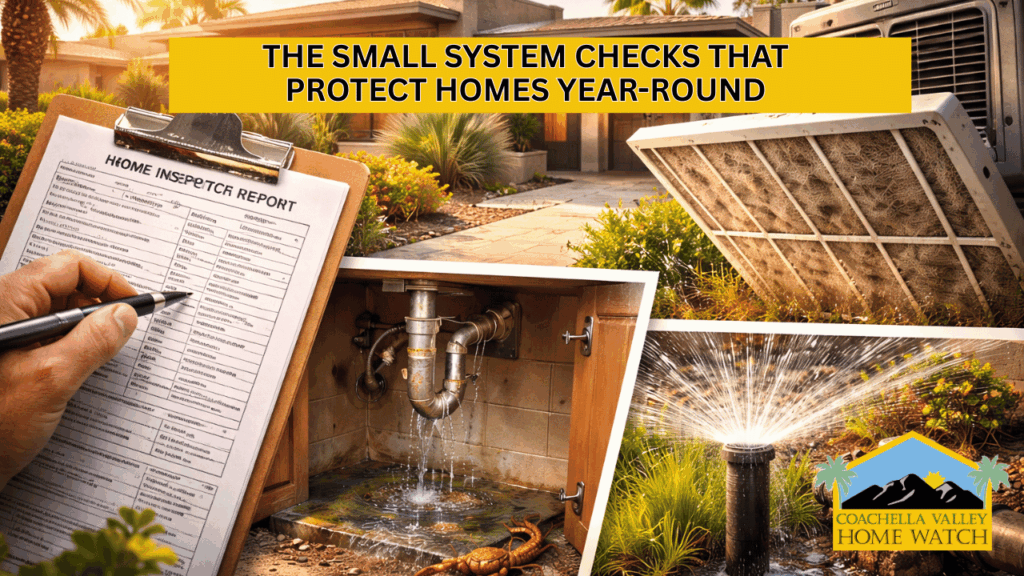
Most home damage begins quietly:

  • a minor drip under a sink
  • an HVAC imbalance
  • irrigation overspray
  • a small roof vulnerability

Left unattended, these become:

  • water damage
  • mold
  • structural concerns
  • costly repairs

FEMA emphasizes that early detection significantly reduces property damage severity.

The longer a problem goes unnoticed, the more expensive it becomes.


Real Protection Requires Presence

True protection means someone is:

  • walking through the property
  • noticing changes
  • documenting conditions
  • escalating issues quickly

It’s not about expecting disaster. It’s about eliminating blind spots.

If you’re unsure what structured oversight includes, reviewing common questions can clarify the scope.

For homeowners who are away for extended periods, consistent professional visits provide measurable accountability.


If your confidence is based on “nothing has happened yet,” that may be the very thing placing your home at risk.

👉 Replace assumption with structured oversight.
👉 Schedule professional home watch services today at:
https://coachellavalleyhomewatch.com/contact/

Because peace of mind should be built on evidence — not hope.

Supporting Aging Parents from a Distance: How Senior Home Watch Services Provide Peace of Mind

If you are supporting aging parents from a distance, peace of mind should not depend on occasional visits or hopeful assumptions.

Caring for aging parents or loved ones is never simple. When you live in the same city, you can stop by, check in, and notice small changes. But when you live in another state — or across the country — the responsibility feels heavier.

You want to respect their independence.
You want them to feel safe.
And you want to know someone is paying attention.

That’s where senior home watch services play an important role.


The Challenge of Long-Distance Caregiving

Millions of adults today support aging parents from afar. According to the National Institute on Aging, distance caregiving adds unique stress because family members cannot easily observe day-to-day changes in living conditions or safety.

Small household issues can quietly become larger risks:

  • minor plumbing leaks
  • HVAC irregularities
  • tripping hazards
  • lighting problems
  • neglected exterior maintenance

These aren’t medical emergencies — but they can affect comfort, safety, and independence over time.


What Senior Home Watch Services Actually Do

Senior home watch is not medical care, and it is not assisted living. It is structured, professional property oversight tailored to homes occupied by older adults.

If you are supporting aging parents from a distance, peace of mind should not depend on occasional visits or hopeful assumptions.

Services often include:

  • scheduled home walkthroughs
  • system checks (HVAC, plumbing, electrical)
  • identifying safety concerns
  • monitoring for changes in home condition
  • reporting observations to designated family members

The focus is simple: notice small issues before they become serious.


Why Small Home Issues Matter More with Age

As mobility decreases, minor home issues carry greater impact. The Centers for Disease Control and Prevention reports that falls are one of the leading causes of injury among older adults.

Something as small as:

  • uneven flooring
  • poor lighting
  • water near a sink
  • malfunctioning door hardware

can increase risk significantly.

Senior home watch helps reduce preventable environmental hazards through consistent observation and communication.


Respecting Independence While Providing Oversight

One of the most delicate aspects of aging support is maintaining dignity.

If you are supporting aging parents from a distance, peace of mind should not depend on occasional visits or hopeful assumptions.

Senior home watch does not interfere with daily routines. It does not replace family. It provides structured, respectful property oversight that supports independence rather than limiting it.

For families who already rely on general home watch services for seasonal properties, this specialized oversight simply extends that same professionalism to a different life stage.

If you’re unfamiliar with what professional home watch typically includes, reviewing common questions can help clarify expectations.


Communication Creates Confidence

One of the greatest stressors for long-distance caregivers is uncertainty.

Is the house functioning properly?
Is everything being maintained?
Would someone notice if something changed?

Professional senior home watch services provide documentation and regular updates so family members are informed without feeling intrusive.

For families living far away, that clarity can make an enormous emotional difference.


A Proactive Approach to Aging in Place

Many older adults prefer to age in place rather than relocate. The AARP notes that most seniors wish to remain in their homes as long as possible.

Supporting that choice requires more than good intentions. It requires consistent oversight of the environment itself.

Senior home watch bridges the gap between independence and protection.


If you are supporting aging parents from a distance, peace of mind should not depend on occasional visits or hopeful assumptions.

👉 Protect their home — and your peace of mind — with structured, professional oversight.
👉 Schedule a consultation today HERE.

Because caring from afar should feel supportive — not uncertain.

Why Seeing Your Home on a Camera Isn’t the Same as Knowing Its Condition
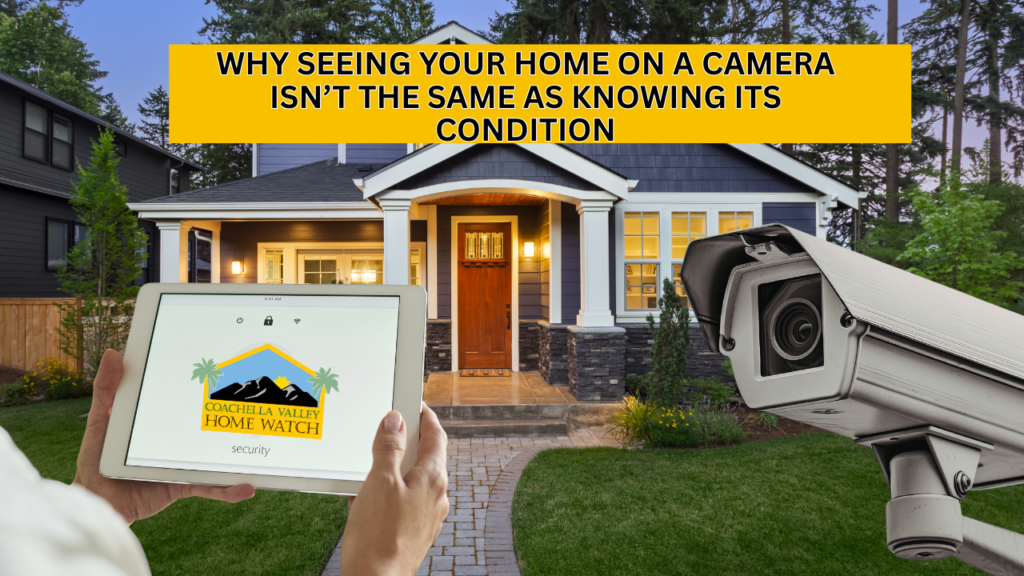
Security cameras have become a common tool for homeowners, especially those who travel frequently or own seasonal properties. Being able to open an app and see inside your home can feel reassuring. You see the living room. The hallway looks quiet. Nothing appears out of place.

But visibility is not the same as awareness.

While cameras are useful, they only show a narrow slice of what’s happening inside a home. And many of the most expensive home issues don’t happen where cameras are pointed — or in ways that are visible on a screen.


Cameras Show Images, Not Conditions

A camera can show you that a room looks normal. What it can’t tell you is how that room feels.

It can’t detect:

  • stale or heavy air
  • subtle humidity changes
  • temperature imbalances
  • unusual odors
  • vibration or system noise

According to the U.S. Environmental Protection Agency, indoor air quality and ventilation issues often develop without visible signs, especially in homes with limited airflow.

These are the kinds of changes that are noticed by walking into a space — not by viewing it remotely.


Most Problems Start Outside the Camera’s View

Cameras are typically installed in obvious areas: entryways, living rooms, garages. But many common home issues begin elsewhere.

For example:

  • slow leaks under sinks or behind toilets
  • moisture near water heaters
  • HVAC strain in utility areas
  • irrigation issues outside the home
  • pests in closets, attics, or storage spaces

Seeing a clean living room doesn’t tell you what’s happening behind walls, under cabinets, or outside the frame.

This is one reason professional home watch inspections focus on full walkthroughs, not just visual confirmation.


Cameras Don’t Provide Context Over Time

A single image can’t tell you if something has changed.

Professional home watch relies on comparison:

  • how the home felt last visit vs. this visit
  • whether systems are behaving differently
  • whether small issues are repeating or escalating

Without that context, it’s easy to miss gradual shifts that lead to larger problems.

According to the Insurance Information Institute, many major homeowner claims begin as small, undetected issues that worsen over time.


Alerts Don’t Equal Action

Even when a camera alerts you to motion or an issue, it doesn’t solve the problem.

If you receive an alert about:

  • water on the floor
  • an unexpected open door
  • a system malfunction

you still need someone physically present to assess the situation, shut off water, secure access, or coordinate repairs.

Home watch services bridge that gap by combining observation with action and documentation.


Cameras Are a Tool — Not a Strategy

Cameras work best as part of a broader protection plan. On their own, they offer limited insight.

Knowing your home’s condition means understanding:

  • how systems are functioning
  • whether the environment is stable
  • if small changes are developing
  • what’s happening beyond what’s visible

If you’re unsure what professional oversight actually includes, reviewing common questions can help clarify expectations.


If your peace of mind depends on what you can see through a camera lens, you’re only getting part of the picture.

👉 Know what’s happening in your home — not just what it looks like.
👉 Schedule professional home watch services today at:
https://coachellavalleyhomewatch.com/contact/

Because seeing your home is easy.
Knowing its condition is what truly protects it.

The First 30 Days Away: What Usually Changes Inside a Home
When homeowners leave for an extended trip, many assume that meaningful changes only happen after months of absence. In reality, the first 30 days away are often when the most important shifts begin — quietly, subtly, and without obvious warning signs.

These changes rarely look like emergencies. Instead, they show up as small deviations from normal conditions that, if unnoticed, can compound over time.

Here’s what typically changes inside a home during the first month away.


Indoor Air Begins to Stagnate

Once daily activity stops, airflow inside the home changes almost immediately. Doors stay closed, rooms remain unused, and natural circulation slows.

Within the first few weeks, this can lead to:

  • stale or heavy-feeling air
  • uneven temperatures between rooms
  • humidity pockets in bathrooms or closets

The U.S. Environmental Protection Agency notes that limited ventilation can affect indoor air quality even in dry climates.

These shifts are often felt before they’re seen — a key reason walkthroughs matter early in an absence.


Plumbing Systems Sit Idle

In the first 30 days, plumbing transitions from regular use to near dormancy. Toilets, sinks, and drains that aren’t used regularly lose the “self-check” that daily activity provides.

During this period, it’s common to see:

  • slow leaks go unnoticed
  • seals begin to dry out
  • small moisture issues develop quietly

This is one of the most frequent findings during professional home watch visits.


HVAC Systems Begin Operating Differently

Even when a home is set to a baseline temperature, HVAC systems respond differently once occupancy stops.

Within the first month:

  • systems cycle less predictably
  • airflow imbalances become more noticeable
  • filters collect dust without anyone noticing changes

According to the U.S. Department of Energy, HVAC performance issues often appear gradually and benefit from early monitoring.


Humidity and Temperature Drift

Without human activity, homes lose natural balance. One room may stay cooler, another warmer. Humidity can linger longer in certain areas, especially in closed spaces.

These aren’t dramatic changes — but they’re meaningful ones, and they often begin within the first few weeks of vacancy.


Early Signs of Pest Interest

Quiet homes attract attention faster than many homeowners expect. During the first 30 days, pests may begin exploring entry points, even if they haven’t moved in yet.

Early signs are subtle and easy to miss without routine checks.


Why the First 30 Days Matter Most

The first month away sets the baseline for everything that follows. Small changes establish patterns. Left unchecked, those patterns become problems.

Professional home watch focuses on this early window — not because something is likely to go wrong immediately, but because this is when prevention is most effective.

If you’re unsure what ongoing oversight includes, reviewing common questions can help clarify expectations.


If you’re leaving your home unattended — even for a few weeks — the first 30 days are not the time to rely on assumptions.

👉 Protect your home before small changes become expensive problems.
👉 Schedule professional home watch services today at:
https://coachellavalleyhomewatch.com/contact/

Because peace of mind doesn’t start months later. It starts from day one.

How Desert Conditions Quietly Affect Homes Over Time

Desert homes are designed to look strong and low maintenance. Thick walls, tile floors, and clean lines give the impression that they can withstand anything the environment throws at them. But over time, desert conditions quietly affect homes in ways most homeowners don’t notice until problems become expensive.

The challenge isn’t dramatic weather events. It’s slow, subtle change.


Temperature Swings and Material Stress

One of the defining features of desert climates is extreme temperature fluctuation. Warm days followed by cool nights cause building materials to expand and contract repeatedly. Over time, this movement can loosen seals, stress joints, and create small gaps around doors and windows.

These changes rarely feel urgent, but they gradually reduce a home’s ability to regulate indoor conditions. Small air leaks can lead to uneven temperatures and increased strain on HVAC systems.


Dry Air, Limited Circulation, and Indoor Balance

Low humidity doesn’t mean indoor air stays fresh. In vacant or lightly used homes, airflow often drops significantly. Without regular circulation, stale air can settle into closed rooms, closets, and storage spaces.

According to the U.S. Environmental Protection Agency, indoor air quality issues often develop when ventilation is limited, even in dry climates.

Many homeowners describe a home feeling “off” before any visible damage appears. That feeling is often the first sign that something has shifted.


HVAC Systems Under Quiet Pressure

Desert HVAC systems work harder than most homeowners realize. Even when a home is unoccupied, cooling and heating systems cycle to maintain baseline temperatures.

Dust buildup, clogged filters, and small mechanical changes can reduce efficiency long before a system fails. The U.S. Department of Energy notes that HVAC systems benefit from regular monitoring to prevent unnecessary strain and premature breakdowns.

Without consistent oversight, these gradual changes often go unnoticed until the system struggles during peak conditions.


Irrigation and Ground-Level Impact

Exterior systems continue to operate even when homes sit empty. Irrigation timers may run year-round, and small leaks can persist unnoticed, especially during cooler months when evaporation slows.

Local water authorities emphasize that irrigation inefficiencies often go undetected without regular checks.

Over time, excess moisture can affect landscaping, soil stability, and hardscaping. These issues tend to develop quietly below the surface.

For homeowners away for extended periods, exterior monitoring is especially important.


Pests and Undisturbed Spaces

Quiet homes attract attention. Rodents and insects are drawn to undisturbed environments that offer warmth and shelter. Entry points that seem insignificant can become access routes over time.

Early signs of pest activity are often subtle and easy to miss without regular walkthroughs. Once pests establish themselves, damage can escalate quickly.


Sun Exposure and Exterior Wear

Constant sun exposure accelerates wear on exterior materials. UV radiation fades finishes, weakens seals, and contributes to long-term degradation of roofing and exterior surfaces.

Because this wear happens gradually, it’s often dismissed as normal aging until repairs become unavoidable.


Why Consistent Oversight Matters

What makes desert-related home issues difficult isn’t severity. It’s silence.

Most problems don’t announce themselves. They develop slowly, out of sight, and without immediate disruption. That’s why consistency matters more than occasional check-ins.

Professional home watch services focus on noticing small changes over time, not reacting to emergencies after damage occurs.

Understanding how a home looks, feels, and functions from visit to visit makes it easier to catch issues early.

For many seasonal homeowners, that awareness is what provides peace of mind.


Frequently Asked Questions

Why do desert homes require ongoing monitoring?
Desert conditions create gradual wear through temperature swings, dry air, sun exposure, and system strain that often goes unnoticed without regular oversight.

Do vacant homes deteriorate faster?
Yes. Limited use means fewer opportunities to notice leaks, airflow issues, or system changes as they develop.

Is HVAC monitoring important in mild seasons?
Absolutely. Small inefficiencies often appear during moderate weather and worsen under extreme temperatures.

Can exterior issues really develop in winter?
Yes. Irrigation leaks and sun exposure continue year-round, even during cooler months.

What’s the biggest risk for seasonal homeowners?
Not sudden damage, but slow changes that compound over time without detection.

What Home Watch Professionals Look for During Every Visit

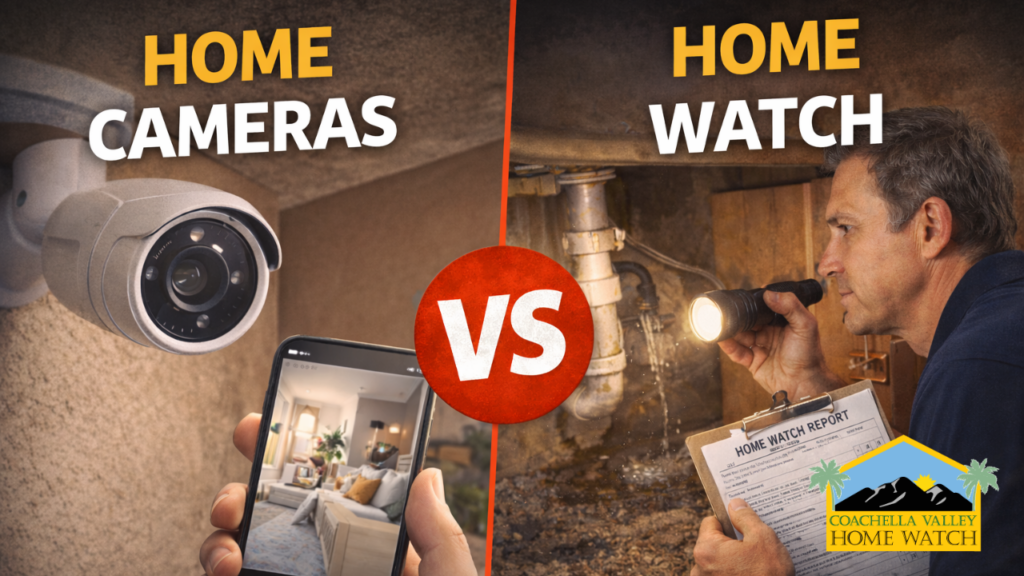
Cameras support visibility but cannot detect environmental changes or intervene physically.

What Home Watch Professionals Look for During Every Visit

To most homeowners, a home watch visit sounds simple. Walk through the house, make sure nothing looks wrong, lock up, and leave.

But professional home watch is far more detailed than that.

Every visit is a systematic inspection designed to catch early warning signs before they become expensive problems. It’s not just about what’s obvious — it’s about noticing what’s slightly different from the last visit.

Here’s what trained Home Watch professionals look for every time they step inside a vacant home.


1. Subtle Environmental Changes Inside the Home

One of the first things a Home Watch professional notices isn’t something they see — it’s something they feel.

Changes in:

  • temperature
  • airflow
  • humidity
  • stale or unusual odors

can signal problems long before visible damage appears.

Poor airflow or trapped moisture can lead to musty smells, condensation, or mold growth, even in dry desert climates. The Environmental Protection Agency notes that indoor air quality issues often develop quietly when ventilation is limited.

A professional walkthrough immediately reveals whether the home feels balanced or if something has shifted since the last visit.


2. Plumbing Systems and Hidden Leak Indicators

Leaks are one of the most common — and costly — issues in vacant homes.

During each visit, Home Watch professionals check for:

  • moisture under sinks
  • toilet bases that feel loose or damp
  • unusual sounds from plumbing
  • signs of slow leaks around water heaters

Many leaks don’t drip loudly or flood instantly. They seep slowly, causing damage behind walls or beneath flooring before homeowners ever notice.

This is why consistent inspections are so effective at preventing water-related damage.


3. HVAC Performance and System Behavior

HVAC systems behave differently when homes sit empty.

Home Watch professionals don’t just check if the system is on — they look for:

  • unusual noises
  • incorrect thermostat settings
  • uneven temperatures between rooms
  • signs of system strain

According to the U.S. Department of Energy, HVAC systems are most efficient and reliable when monitored and maintained regularly rather than left unchecked.

Small HVAC issues caught early can prevent system failure during extreme weather.


4. Electrical, Lighting, and Power Indicators

Electrical issues don’t always announce themselves.

Professionals check:

  • tripped breakers
  • exterior and interior lighting
  • GFCI outlets
  • signs of power interruption

A single tripped breaker or failed exterior light can indicate a larger electrical issue — or create a security concern if left unresolved.

These checks help ensure the home looks occupied and systems remain functional.


5. Irrigation and Exterior Conditions

Outside the home, Home Watch professionals inspect:

  • irrigation timers and zones
  • sprinkler heads
  • pooling water or soggy soil
  • landscaping stress

Irrigation leaks often go unnoticed in vacant homes because cooler weather allows moisture to linger longer. Over time, this can damage landscaping, foundations, or hardscaping.


 Early detection — catching small issues before they become expensive repairs.

Local water authorities consistently emphasize the importance of monitoring irrigation systems to prevent waste and hidden damage.

For seasonal homeowners, this type of oversight is especially important during long absences.


6. Pest Activity and Entry Points

Quiet homes attract pests.

Professionals look for:

  • droppings
  • nesting material
  • chewed seals or wiring
  • insect activity near doors and garages

Pests often enter homes early and remain hidden for weeks before becoming obvious. Early detection prevents infestations from taking hold.

Industry pest experts consistently note that undisturbed homes are more vulnerable to pest intrusion.


7. Signs of Security or Access Issues

Finally, Home Watch visits include security checks such as:

  • door and window integrity
  • garage access points
  • signs of tampering
  • unexpected packages or notices

Even small changes, like a door not closing the same way it did before, can indicate a developing issue.


Why Professional Oversight Makes the Difference

What Home Watch professionals really bring isn’t just time — it’s context.

 Cameras support visibility but cannot detect environmental changes or intervene physically.

They know how the home looked, felt, and functioned during the last visit. That allows them to spot subtle changes that technology and one-time inspections miss.

Home Watch isn’t about reacting to disasters.
It’s about noticing the quiet signs before they become disasters.

If you’d like to learn more about what a professional Home Watch service includes, the FAQ section offers a clear overview of how visits are structured and reported.


Frequently Asked Questions

• How often should Home Watch visits happen?
Most seasonal homes benefit from weekly or bi-weekly visits, depending on the property and systems.

• Are reports provided after each visit?
Yes. Professional Home Watch services document findings and notify homeowners if action is needed.

• Do Home Watch professionals handle repairs?
They coordinate and oversee repairs but do not perform unlicensed work.

• Can cameras replace Home Watch visits?
Cameras support visibility but cannot detect environmental changes or intervene physically.

• What’s the biggest benefit of Home Watch?
Early detection — catching small issues before they become expensive repairs.

Why Empty Homes Deteriorate Faster Than Lived-In Homes

CVHW

It feels logical to assume that a home left untouched would stay in better condition than one lived in every day. Fewer footsteps. Less wear and tear. No daily mess.

But in reality, the opposite is often true.

Homes that sit empty for weeks or months tend to deteriorate faster than those that are lived in — especially in desert climates like the Coachella Valley. And it usually happens quietly, without obvious warning signs, until the homeowner returns and discovers problems they never expected.

Here’s why a lived-in home stays healthier than an empty one.


1. Homes Are Designed to Be Lived In

Modern homes are built with the assumption that people will be inside them regularly. Doors open and close. Air circulates. Water runs through pipes. Systems turn on and off naturally.

When a home sits empty, those normal cycles stop.

Without daily activity:

  • air becomes stagnant
  • moisture lingers longer
  • plumbing sits unused
  • systems operate less efficiently
  • small issues go unnoticed

According to the U.S. Department of Energy, mechanical systems such as HVAC units perform best when they operate consistently rather than sitting idle for long periods.

This is one reason regular property check-ins play such an important role in protecting unoccupied homes.


2. Lack of Airflow Creates Hidden Problems

Airflow is one of the most overlooked factors in home health.

When people live in a home, doors open, air moves naturally between rooms, and HVAC systems respond to daily patterns. In an empty home, airflow drops dramatically.

That can lead to:

  • humidity pockets in closets and bathrooms
  • stale or musty odors
  • condensation in closed rooms
  • uneven temperatures

The Environmental Protection Agency notes that poor air circulation and trapped moisture can contribute to indoor air quality issues, even in dry climates.

A quick walkthrough can often identify these issues early — long before they cause damage.


3. Small Leaks and System Failures Go Undetected

In a lived-in home, a dripping faucet or a running toilet is usually noticed immediately.

In an empty home, those same issues can continue quietly for days or weeks.

A slow leak under a sink.
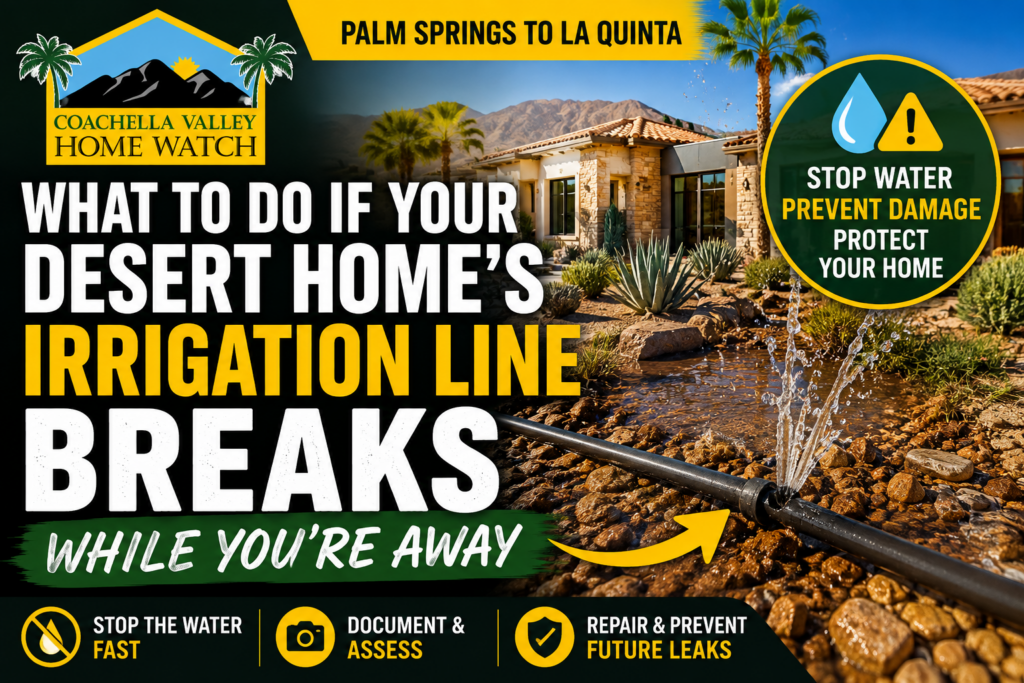
A cracked irrigation line beneath gravel.
A water heater that begins to struggle.

Because no one is there to see or hear these changes, minor problems are given time to grow into major repairs. This is exactly why consistent inspections are so effective at preventing costly surprises.


4. Pests Prefer Quiet, Undisturbed Spaces

Empty homes are especially attractive to pests.

Rodents and insects look for:

  • warmth
  • shelter
  • consistency
  • lack of human activity

With no lights turning on and no daily movement, vacant homes provide ideal conditions for pests to settle in unnoticed.

Pest control experts consistently report increased indoor pest activity when temperatures begin to cool and homes remain undisturbed.
Once pests establish themselves, they often remain hidden in walls, attics, garages, or landscaping areas until damage is already done.


5. Systems Decline Faster Without Regular Use

Mechanical systems are designed to run.

When HVAC systems, plumbing, and electrical components sit idle:

  • seals can dry out
  • sensors may fail
  • motors strain when restarted
  • performance becomes inconsistent

Ironically, homes that are lived in often experience fewer system failures than those that sit empty. Regular use keeps components moving and reveals early warning signs before breakdowns occur.

This is one reason seasonal homeowners benefit from professional oversight when they’re away for extended periods.


6. Problems Compound Without Human Awareness

Perhaps the biggest difference between an empty home and a lived-in one is awareness.

People notice when something feels off:

  • a room smells different
  • the air feels heavy
  • a floor feels damp
  • a system sounds louder than usual

These subtle signals are early warnings. Without a human presence, they go unnoticed — and problems compound quietly over time.


Why Regular Check-Ins Make the Difference

Empty homes don’t deteriorate because they’re neglected intentionally.
They deteriorate because no one is there to notice small changes early.

Regular home check-ins restore what’s missing:

  • visual inspections
  • airflow awareness
  • system monitoring
  • early intervention
  • peace of mind

They bridge the gap between absence and protection.


Frequently Asked Questions

• Do empty homes really deteriorate faster than occupied ones?
Yes. Without airflow, system use, and human awareness, small issues are more likely to go unnoticed and worsen over time.

• What problems are most common in vacant homes?
Humidity issues, leaks, pest activity, HVAC strain, irrigation problems, and stale air are among the most frequent.

• Isn’t it better that nothing is being used?
Not always. Many systems perform better with regular operation and observation than when sitting idle.

• How quickly can problems develop in an empty home?
Some issues can begin within days, especially leaks, airflow imbalances, or pest entry.

• What’s the best way to protect an unoccupied home?
Consistent, professional home watch visits that identify changes early and prevent escalation.

Why Seasonal Homes Need Extra Attention During the Holiday Season — Even if You’re Only Gone a Few Days

Homes Need Extra Attention During the Holiday Season

The holiday season is meant to be a time of comfort, celebration, and connection — not a time to worry about your Coachella Valley home while you’re away. Yet even short trips during November and December can leave seasonal homes unexpectedly vulnerable.

In the desert, the combination of cooler nights, busy travel weeks, and shifting weather patterns creates ideal conditions for small issues to grow unnoticed. A tripped breaker, a clogged irrigation line, or a sudden temperature swing can all happen silently — and escalate quickly when no one is there to intervene.

Whether you’re traveling to see family or simply stepping away for a few days, here’s why holiday absences deserve a little extra attention.


1. The Holidays Bring Sudden Temperature Swings

While the Coachella Valley is known for heat, late fall and early winter can bring unpredictable shifts — warm days followed by cold nights.

These fluctuations put extra stress on:

  • HVAC systems
  • Water heaters
  • Irrigation and sprinkler lines
  • Seals around windows and doors

A home sitting empty, even for a long weekend, can experience:

  • condensation
  • increased humidity in closed rooms
  • stress on aging systems
  • reduced air circulation

According to the U.S. Department of Energy, HVAC inefficiencies and temperature swings are a leading cause of unexpected system failures during the colder months.
A Home Watch service ensures systems are functioning and stable while you’re away — preventing small imbalances from becoming expensive surprises.


2. Short Trips Still Create Long Opportunities for Issues

Even if you’re gone only two or three days, holiday travel overlaps with:

  • peak package deliveries
  • landscaping schedule changes
  • irrigation timer shifts
  • increased pest activity
  • higher foot traffic in gated communities

A single package left on the porch or an irrigation leak unnoticed until your return can create both security and maintenance issues.

It’s the perfect example of why short absences shouldn’t be ignored.


3. Holiday Travel Means Delayed Responses When Issues Arise

HVAC contractors, plumbers, and maintenance providers often run reduced schedules around:

  • Thanksgiving week
  • Christmas week
  • New Year’s week

If a leak, outage, or failure occurs while you’re gone, response times can be significantly slower — especially during busy seasonal periods. That means a problem that could be resolved quickly in October might sit unattended for days in late December.

To understand how overall home systems behave when occupancy changes, the Environmental Protection Agency provides helpful guidance on seasonal home maintenance: Home Watch visit during holiday travel ensures that minor issues aren’t left to worsen while businesses are closed or short-staffed.


4. Irrigation and Landscaping Often Shift to Winter Schedules

In the Coachella Valley, winter watering schedules change dramatically. HOAs adjust settings, cities implement new watering rules, and landscapers modify routines.

This means:

  • timers might be reset incorrectly
  • zones may shut off unexpectedly
  • leaks can hide longer in cooler weather
  • soil changes can stress plants faster than expected

A brief absence + a small irrigation problem can equal major landscaping damage when left unnoticed.


5. Seasonal Homes Need Airflow — Especially During Holiday Closures

Closed-up homes accumulate:

  • stale air
  • humidity traps in closets
  • dust accumulation
  • stagnant HVAC cycles

The National Weather Service notes that even low-humidity regions experience micro-humidity variations indoors during winter transitions. Regular Home Watch visits ensure windows, vents, and airflow systems stay balanced — keeping your home smelling fresh and preventing mold or musty odors from developing.


A Few Days Away Can Still Mean a Lot of Change

Most homeowners assume short trips are harmless. But the holiday season creates the perfect storm:

  • fluctuating temperatures
  • increased deliveries
  • slower repair response times
  • irrigation schedule changes
  • stronger winds and dust
  • higher seasonal pest activity

A holiday getaway shouldn’t turn into a stressful homecoming.
A trusted Home Watch service ensures everything stays exactly as you left it — even during the busiest time of the year.

Keep Your Home Holiday-Ready, Even When You’re Away

Your seasonal home deserves peace of mind — especially during the busiest travel season of the year.

If you’d like expert protection while you’re away, Coachella Valley Home Watch is here to help.
A quick check can prevent holiday headaches — and ensure your home is always ready to welcome you back.


Frequently Asked Questions

• What problems can happen during a short holiday absence?
Even two or three days can lead to unnoticed leaks, HVAC strain, irrigation failures, or packages piling up — all of which are more common during the holiday season.

• Why is airflow important when I’m away for a few days?
Closed homes trap moisture and stale air. Brief absences during cooler months can create humidity pockets that encourage odors or mold.

• Does winter weather cause issues in the desert?
Yes. While temperatures are mild, rapid shifts between warm days and cold nights put pressure on HVAC, plumbing, and irrigation systems.

• Why do issues escalate faster around the holidays?
Because repair response times are slower. Contractors book up or close early, meaning small issues may sit longer before being addressed.

• Do I need Home Watch for short trips?
If travel overlaps with holiday weeks or seasonal system changes, yes. Many issues arise quickly — and are cheaper to solve when caught early.

5 Ways to Avoid Mold, Mildew, and Musty Odors While You’re Gone

5 Ways to Avoid Mold, Mildew, and Musty Odors While You’re Gone

You unlock the door, step inside your Coachella Valley home, and instantly notice it — that stale, musty smell that clings to the air.
It’s more than unpleasant; it’s a warning.

Even in the dry desert, mold and mildew can thrive under the right conditions — and when a home sits empty for weeks or months, those conditions are easier to create than you might think.

Here’s how to prevent mold while away and protect your home from humidity, odors, and long-term damage.


1. Keep Air Circulating

Still air is the enemy.
When your HVAC system stays off for too long, humidity and condensation can collect in corners, closets, and behind furniture.

Before you leave, set your thermostat to around 78–82°F and make sure your system cycles regularly.
If you have ceiling fans, set them to rotate counterclockwise at low speed to keep air moving gently throughout your home.

Better yet, ask a Home Watch professional to check your HVAC filters and run the system during each visit.


2. Don’t Seal the House Too Tight

Can mold really grow in a dry climate like the Coachella Valley?

It’s tempting to close everything up tight before leaving, but trapped air becomes stale fast.
Crack an interior door here and there, leave closet doors ajar, and avoid wrapping towels or linens in plastic. Breathable materials prevent moisture from getting trapped — and that means fewer odors later.

A Coachella Valley humidity home can fluctuate from bone-dry to muggy overnight after a rare desert rain, so allowing minimal airflow makes a surprising difference.


3. Control Humidity — Even in the Desert

Yes, the desert is dry, but indoor humidity can rise from plumbing leaks, irrigation overspray, or even condensation from air conditioning.
To stay safe, use desiccant dehumidifiers or moisture-absorbing crystals in closets and bathrooms.

Home Watch professionals also check humidity levels during routine inspections — and they’ll spot early signs of excess moisture before you ever smell it.


4. Shut Off Water — but Drain and Seal Properly

If you’re leaving for more than a few weeks, shut off the main water supply and drain your lines. This prevents slow leaks and stagnant water, both of which invite mold growth.

Home Watch services often include flushing toilets and running faucets during visits to keep seals from drying out and prevent sewer gas from entering the home — another common source of that “musty” smell.


5. Have Regular Home Watch Visits

Even with all the right precautions, things can still go wrong — a leaking roof after a storm, a failed AC sensor, or an unnoticed window left open.
That’s why having a professional Home Watch team is the single best protection against mold and mildew while you’re away.

During every visit, your Home Watch professional checks:

How often should my home be checked for moisture or humidity?
  • HVAC settings and humidity levels
  • Plumbing lines and visible pipes
  • Ceiling corners, closets, and attics for moisture signs
  • Odors or air quality changes

They’ll document any concerns immediately and coordinate repairs if needed — so small issues never turn into big ones.


Protect Your Desert Home from the Hidden Cost of Still Air

Mold and mildew don’t just affect air quality — they can damage drywall, furniture, and even your health.
By keeping air moving, managing humidity, and scheduling regular inspections, you’ll return to a home that smells fresh, feels clean, and welcomes you back exactly as you left it.

Contact Coachella Valley Home Watch today to schedule your professional inspection and enjoy true peace of mind — all season long. 760-205-2072


FAQ: Preventing Mold in a Desert Home

Q: Can mold really grow in a dry climate like the Coachella Valley?
A: Yes. Indoor humidity from plumbing, AC condensation, or leaks can create micro-climates perfect for mold — even in a dry region.

Q: How often should my home be checked for moisture or humidity?
A: Bi-weekly visits during the summer are ideal. That’s when heat and humidity fluctuations are highest.

Q: What’s the ideal indoor humidity level for preventing mold?
A: Keep it between 30% and 50%. Your Home Watch professional can monitor this during inspections.

Q: Will running the AC help?
A: Absolutely. Running the system regularly keeps air moving and humidity balanced — especially when filters and drains are maintained.

What’s That Smell? The Risk of Sewer Gas in Vacant Coachella Homes

What’s That Smell? The Risk of Sewer Gas in Vacant Coachella Homes

Protect Your Desert Home from an Unseen—and Dangerous—Problem

If you’ve ever walked into your desert home after a long absence and noticed a foul, rotten-egg odor, you’re not alone—and it’s not just unpleasant. That smell could be sewer gas, and it’s more than a nuisance. It’s a warning sign that something in your home’s plumbing system needs attention—and fast.

At Coachella Valley Home Watch, we’ve seen firsthand how sewer gas leaks can cause serious problems in vacant homes, especially in our dry desert climate. Fortunately, this issue is preventable with the right monitoring and care.


Why Does Sewer Gas Leak Into Vacant Homes?

Every drain in your home—sinks, showers, tubs, and floor drains—has a P-trap: a curved pipe that holds water to block gases from backing up into the house. When water sits for too long without being replenished (like when a home is unoccupied), it evaporates, breaking the seal and allowing sewer gases to seep inside.

And in places like the Coachella Valley, where humidity is low and temperatures soar, this can happen faster than you think.


The Hidden Dangers of Sewer Gas

Besides the terrible smell, sewer gas isn’t something to ignore. It can pose real health and safety concerns:

  • Hydrogen sulfide (the source of the smell) can irritate your eyes, throat, and lungs
  • In higher concentrations, it can become toxic or combustible
  • Long-term exposure may cause headaches, nausea, or fatigue
  • It may signal a larger plumbing issue such as broken vents or cracked pipes

These problems tend to go unnoticed in vacant homes—until someone walks in and is hit with the smell or discovers mold, pests, or water damage caused by a dry trap.


How Coachella Valley Homeowners Can Prevent It

Whether you’re a seasonal resident or travel often, you don’t have to return to a home filled with harmful gases. Here’s how we help:

Can sewer gas damage my home?

Regular Walkthroughs – We flush toilets, run sinks, and check for dry traps during every visit.
Moisture Monitoring – We look for signs of evaporation and inspect vulnerable areas.
Odor Detection – We check for unusual smells that signal trapped gases or ventilation issues.
Custom Service Plans – Our home watch visits are tailored to your schedule and property needs.


Why This Matters in the Coachella Valley

Our region’s desert climate accelerates trap evaporation, especially in homes left sealed and quiet. The longer a home sits without water use, the more likely it is that protective seals in drains will fail.

Plus, the heat causes odors to intensify—and HVAC systems may circulate them before you even realize something is wrong.

If your home is in Palm Desert, Rancho Mirage, La Quinta, Indian Wells, or the surrounding areas, it’s especially important to stay ahead of this risk.


Call to Action

Don’t let sewer gas ruin your return to the desert.
Let Coachella Valley Home Watch protect your home while you’re away—with expert, proactive care tailored to our unique climate.

📞 Call us today to schedule a free consultation and learn how we can give you peace of mind while you’re gone. 760-205-2072


Frequently Asked Questions

How often do traps dry out in a vacant home?

Is sewer gas actually dangerous?

In the Coachella Valley, traps can dry out in as little as one to two weeks without use—especially during hot, dry months.

Can I just pour water down the drains before I leave?

That helps, but it’s not a long-term solution. Without regular replenishment, the water will still evaporate over time. That’s why scheduled home watch visits are key.

Is sewer gas actually dangerous?

Yes. In small amounts, it’s unpleasant. In higher concentrations or over long periods, it can be harmful to your health and may indicate other serious plumbing problems.

Can sewer gas damage my home?

Yes. Beyond the health risks, sewer gas can contribute to mold growth, pest infestations, and even pipe corrosion if left unchecked.

Do I really need home watch services if I only leave for a few weeks at a time?

Absolutely. Even short absences can create issues—especially during summer. Preventative care now can save you from expensive repairs later.


Protect Your Peace of Mind

At Coachella Valley Home Watch, we treat your home as if it were our own. Sewer gas is just one of the many hidden threats we help our clients avoid. Let us keep your desert home safe, sound, and fresh—no matter how long you’re away.

📞 Contact us now to schedule your free consultation. 760-205-2072