

Desert homes are designed to look strong and low maintenance. Thick walls, tile floors, and clean lines give the impression that they can withstand anything the environment throws at them. But over time, desert conditions quietly affect homes in ways most homeowners don’t notice until problems become expensive.
The challenge isn’t dramatic weather events. It’s slow, subtle change.
Temperature Swings and Material Stress
One of the defining features of desert climates is extreme temperature fluctuation. Warm days followed by cool nights cause building materials to expand and contract repeatedly. Over time, this movement can loosen seals, stress joints, and create small gaps around doors and windows.
These changes rarely feel urgent, but they gradually reduce a home’s ability to regulate indoor conditions. Small air leaks can lead to uneven temperatures and increased strain on HVAC systems.
Dry Air, Limited Circulation, and Indoor Balance
Low humidity doesn’t mean indoor air stays fresh. In vacant or lightly used homes, airflow often drops significantly. Without regular circulation, stale air can settle into closed rooms, closets, and storage spaces.
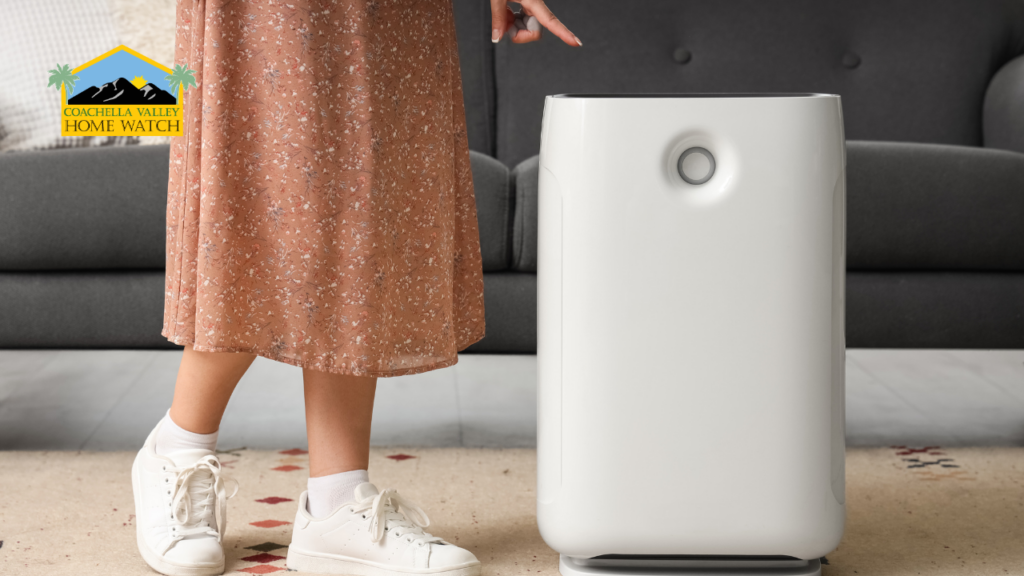
According to the U.S. Environmental Protection Agency, indoor air quality issues often develop when ventilation is limited, even in dry climates.
Many homeowners describe a home feeling “off” before any visible damage appears. That feeling is often the first sign that something has shifted.
HVAC Systems Under Quiet Pressure
Desert HVAC systems work harder than most homeowners realize. Even when a home is unoccupied, cooling and heating systems cycle to maintain baseline temperatures.
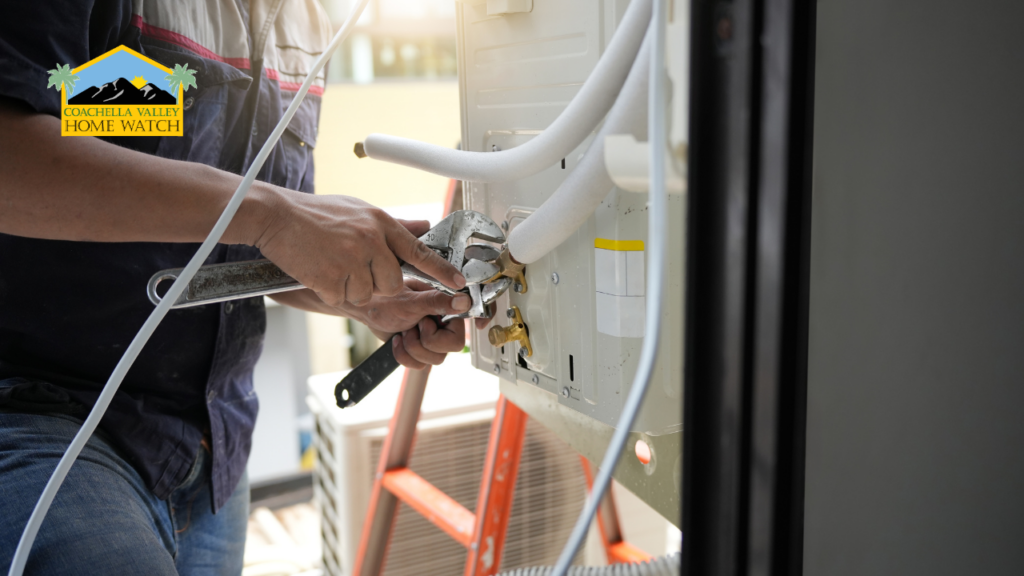
Dust buildup, clogged filters, and small mechanical changes can reduce efficiency long before a system fails. The U.S. Department of Energy notes that HVAC systems benefit from regular monitoring to prevent unnecessary strain and premature breakdowns.
Without consistent oversight, these gradual changes often go unnoticed until the system struggles during peak conditions.
Irrigation and Ground-Level Impact
Exterior systems continue to operate even when homes sit empty. Irrigation timers may run year-round, and small leaks can persist unnoticed, especially during cooler months when evaporation slows.
Local water authorities emphasize that irrigation inefficiencies often go undetected without regular checks.
Over time, excess moisture can affect landscaping, soil stability, and hardscaping. These issues tend to develop quietly below the surface.
For homeowners away for extended periods, exterior monitoring is especially important.
Pests and Undisturbed Spaces
Quiet homes attract attention. Rodents and insects are drawn to undisturbed environments that offer warmth and shelter. Entry points that seem insignificant can become access routes over time.
Early signs of pest activity are often subtle and easy to miss without regular walkthroughs. Once pests establish themselves, damage can escalate quickly.
Sun Exposure and Exterior Wear
Constant sun exposure accelerates wear on exterior materials. UV radiation fades finishes, weakens seals, and contributes to long-term degradation of roofing and exterior surfaces.
Because this wear happens gradually, it’s often dismissed as normal aging until repairs become unavoidable.
Why Consistent Oversight Matters
What makes desert-related home issues difficult isn’t severity. It’s silence.
Most problems don’t announce themselves. They develop slowly, out of sight, and without immediate disruption. That’s why consistency matters more than occasional check-ins.
Professional home watch services focus on noticing small changes over time, not reacting to emergencies after damage occurs.
Understanding how a home looks, feels, and functions from visit to visit makes it easier to catch issues early.
For many seasonal homeowners, that awareness is what provides peace of mind.
Frequently Asked Questions
Why do desert homes require ongoing monitoring?
Desert conditions create gradual wear through temperature swings, dry air, sun exposure, and system strain that often goes unnoticed without regular oversight.
Do vacant homes deteriorate faster?
Yes. Limited use means fewer opportunities to notice leaks, airflow issues, or system changes as they develop.
Is HVAC monitoring important in mild seasons?
Absolutely. Small inefficiencies often appear during moderate weather and worsen under extreme temperatures.
Can exterior issues really develop in winter?
Yes. Irrigation leaks and sun exposure continue year-round, even during cooler months.
What’s the biggest risk for seasonal homeowners?
Not sudden damage, but slow changes that compound over time without detection.





No comment yet, add your voice below!