
Most homeowners assume their insurance works the same way whether they’re home or away.
But once a property becomes vacant, the rules often change — and many people don’t realize it until they try to file a claim.
In some cases, coverage becomes limited.
In others, claims can be delayed… or even denied.
Understanding how vacancy affects your home insurance is critical if you plan to leave your property unattended for weeks or months.
⚠️ Insurance Companies View Vacant Homes as Higher Risk
When a home is occupied, issues are usually noticed quickly.
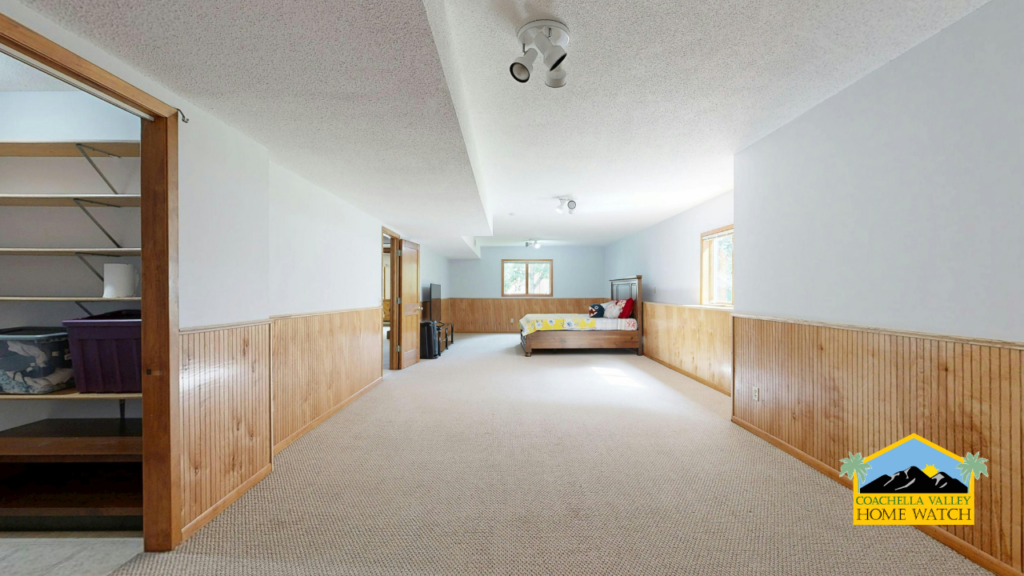
But when it’s vacant:
- leaks go undetected
- break-ins may take time to discover
- systems fail without intervention
- damage has time to spread
Because of this, insurers classify vacant homes as higher risk properties.
According to the Insurance Information Institute, vacant homes are significantly more vulnerable to loss due to delayed response.
📅 Vacancy Clauses: The 30–60 Day Rule
Many standard home insurance policies include a vacancy clause.
This typically means:
- after 30–60 days of vacancy, coverage may change
- certain types of damage may no longer be covered
- claim conditions may become stricter
For example:
- water damage coverage may be limited
- vandalism may not be covered
- claims may require proof of regular checks
Every policy is different — but the timeline is important.
💧 Claims Can Be Denied Due to “Neglect”
One of the biggest surprises homeowners face is claim denial due to lack of oversight.
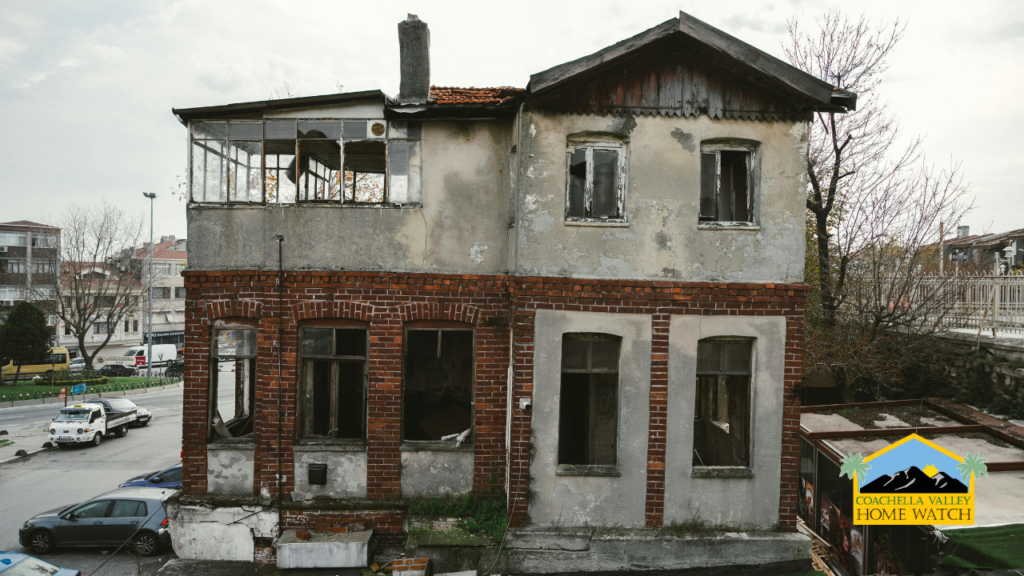
If damage is considered preventable, insurers may argue:
- the issue went on too long
- the property wasn’t properly monitored
- reasonable care wasn’t taken
For example:
A slow leak that continues for weeks could be classified as neglect, not a sudden event.
The Federal Emergency Management Agency highlights that early detection is key in minimizing damage and losses.
🧾 Documentation Matters More Than You Think
If a claim is filed on a vacant home, insurers may ask:
- Was the home checked regularly?
- How often?
- Is there documentation?
- Who was responsible?
Without proof, claims become harder to process.
This is where structured oversight becomes important.
Professional home watch services provide documented visits, condition reports, and consistent monitoring.
You can learn how these services work here:
And review common questions here.
🧠 The Key Difference: Assumption vs Proof
Many homeowners believe:
“I had insurance, so I’m covered.”
But insurers often look at:
- timeline of damage
- monitoring practices
- response speed
Coverage is not just about having a policy —
it’s about meeting the conditions of that policy.
❓ FAQ – Vacant Homes & Insurance
1. Does insurance cover a vacant home?
It depends on your policy. Coverage often changes after 30–60 days of vacancy.
2. What is a vacancy clause?
A condition in your policy that limits or changes coverage if the home is unoccupied.
3. Can claims be denied if the home is vacant?
Yes, especially if damage is considered preventable or due to neglect.
4. How long before insurance is affected?
Typically after 30–60 days, but it varies by policy.
5. Does checking the home help with insurance?
Yes. Regular documented checks can support claims and show proper care.
6. Are leaks covered in vacant homes?
Not always. If considered long-term damage, coverage may be denied.
7. What is the safest way to protect a vacant home?
Combine insurance with consistent property monitoring.
If your home is going to sit vacant, insurance alone may not fully protect you.
👉 Make sure your property is monitored, documented, and protected
👉 Schedule professional home watch services today:
https://coachellavalleyhomewatch.com/contact/
Because when something goes wrong, proof matters just as much as coverage.