Why Empty Homes Deteriorate Faster Than Lived-In Homes

CVHW

It feels logical to assume that a home left untouched would stay in better condition than one lived in every day. Fewer footsteps. Less wear and tear. No daily mess.

But in reality, the opposite is often true.

Homes that sit empty for weeks or months tend to deteriorate faster than those that are lived in — especially in desert climates like the Coachella Valley. And it usually happens quietly, without obvious warning signs, until the homeowner returns and discovers problems they never expected.

Here’s why a lived-in home stays healthier than an empty one.


1. Homes Are Designed to Be Lived In

Modern homes are built with the assumption that people will be inside them regularly. Doors open and close. Air circulates. Water runs through pipes. Systems turn on and off naturally.

When a home sits empty, those normal cycles stop.

Without daily activity:

  • air becomes stagnant
  • moisture lingers longer
  • plumbing sits unused
  • systems operate less efficiently
  • small issues go unnoticed

According to the U.S. Department of Energy, mechanical systems such as HVAC units perform best when they operate consistently rather than sitting idle for long periods.

This is one reason regular property check-ins play such an important role in protecting unoccupied homes.


2. Lack of Airflow Creates Hidden Problems

Airflow is one of the most overlooked factors in home health.

When people live in a home, doors open, air moves naturally between rooms, and HVAC systems respond to daily patterns. In an empty home, airflow drops dramatically.

That can lead to:

  • humidity pockets in closets and bathrooms
  • stale or musty odors
  • condensation in closed rooms
  • uneven temperatures

The Environmental Protection Agency notes that poor air circulation and trapped moisture can contribute to indoor air quality issues, even in dry climates.

A quick walkthrough can often identify these issues early — long before they cause damage.


3. Small Leaks and System Failures Go Undetected

In a lived-in home, a dripping faucet or a running toilet is usually noticed immediately.
In an empty home, those same issues can continue quietly for days or weeks.

A slow leak under a sink.
A cracked irrigation line beneath gravel.
A water heater that begins to struggle.

Because no one is there to see or hear these changes, minor problems are given time to grow into major repairs. This is exactly why consistent inspections are so effective at preventing costly surprises.


4. Pests Prefer Quiet, Undisturbed Spaces

Empty homes are especially attractive to pests.

Rodents and insects look for:

  • warmth
  • shelter
  • consistency
  • lack of human activity

With no lights turning on and no daily movement, vacant homes provide ideal conditions for pests to settle in unnoticed.

Pest control experts consistently report increased indoor pest activity when temperatures begin to cool and homes remain undisturbed.
Once pests establish themselves, they often remain hidden in walls, attics, garages, or landscaping areas until damage is already done.


5. Systems Decline Faster Without Regular Use

Mechanical systems are designed to run.

When HVAC systems, plumbing, and electrical components sit idle:

  • seals can dry out
  • sensors may fail
  • motors strain when restarted
  • performance becomes inconsistent

Ironically, homes that are lived in often experience fewer system failures than those that sit empty. Regular use keeps components moving and reveals early warning signs before breakdowns occur.

This is one reason seasonal homeowners benefit from professional oversight when they’re away for extended periods.


6. Problems Compound Without Human Awareness

Perhaps the biggest difference between an empty home and a lived-in one is awareness.

People notice when something feels off:

  • a room smells different
  • the air feels heavy
  • a floor feels damp
  • a system sounds louder than usual

These subtle signals are early warnings. Without a human presence, they go unnoticed — and problems compound quietly over time.


Why Regular Check-Ins Make the Difference

Empty homes don’t deteriorate because they’re neglected intentionally.
They deteriorate because no one is there to notice small changes early.

Regular home check-ins restore what’s missing:

  • visual inspections
  • airflow awareness
  • system monitoring
  • early intervention
  • peace of mind

They bridge the gap between absence and protection.


Frequently Asked Questions

• Do empty homes really deteriorate faster than occupied ones?
Yes. Without airflow, system use, and human awareness, small issues are more likely to go unnoticed and worsen over time.

• What problems are most common in vacant homes?
Humidity issues, leaks, pest activity, HVAC strain, irrigation problems, and stale air are among the most frequent.

• Isn’t it better that nothing is being used?
Not always. Many systems perform better with regular operation and observation than when sitting idle.

• How quickly can problems develop in an empty home?
Some issues can begin within days, especially leaks, airflow imbalances, or pest entry.

• What’s the best way to protect an unoccupied home?
Consistent, professional home watch visits that identify changes early and prevent escalation.

Protecting Your Home from Power Surges and Electrical Failures in the Desert

Protecting Your Home from Power Surges and Electrical Failures in the Desert

The Coachella Valley is known for its sunny skies and dry climate, but with that beauty comes intense summer heat and sudden seasonal storms. These environmental factors can lead to serious electrical problems, especially in homes that sit empty for extended periods.

From power surges to HVAC malfunctions and circuit overloads, electrical failures are a real and growing risk for desert homeowners. Without eyes on your property, these issues can go unnoticed for days or even weeks, resulting in costly damage and system failures.

At Coachella Valley Home Watch, we understand the challenges of absentee home ownership, and we know how to protect your home from electrical threats before they become disasters.


How Heat and Storms Impact Home Electrical Systems

1. Extreme Heat and Electrical Strain

In the Coachella Valley, summer temperatures often exceed 110°F. This relentless heat places stress on HVAC systems and electrical panels. Air conditioners must work harder and longer to keep a home cool, drawing more power and increasing the risk of overheating, capacitor failure, or full system shutdown.

In empty homes, these problems are compounded. If the AC fails and no one is there to notice, interior temperatures can soar, leading not just to discomfort but damage: warped flooring, ruined electronics, and even mold growth from sudden humidity increases.

Sudden Desert Storms and Power Surges

2. Sudden Desert Storms and Power Surges

While rare, desert thunderstorms can come in fast and strong. Lightning strikes, high winds, and abrupt power interruptions can cause surges—brief spikes in voltage that damage sensitive electronics, trip breakers, and strain older electrical systems.

One severe surge is all it takes to destroy televisions, smart thermostats, security systems, and more. And in a vacant home, those losses can go undetected until the next visit—or worse, until the homeowner returns to find appliances fried and systems offline.


Real Risks, Real Costs

A single electrical failure can cost thousands. Burned-out HVAC compressors, fried surge protectors, and damaged appliances are all common outcomes of unmanaged power issues. In the worst cases, electrical failures can even cause fires, especially in older homes with outdated wiring.

We’ve seen it happen. That’s why Coachella Valley Home Watch takes electrical risk seriously.


How Routine Home Watch Visits Prevent Damage

Our expert team performs detailed inspections during every visit, including:

  • Checking thermostat settings and verifying system operation
  • Listening for irregular HVAC sounds or failure to cycle properly
  • Inspecting circuit breakers and main panels for signs of stress or overload
  • Testing outlets and GFCIs for functionality
  • Monitoring smart home systems for connectivity and power
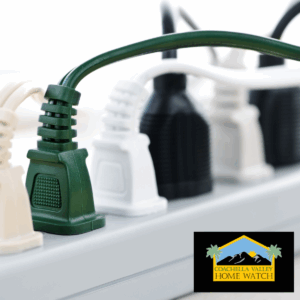
  • Verifying that surge protectors are intact and appliances are operating normally

If we detect signs of a power issue, we act immediately, coordinating with electricians, HVAC professionals, or your preferred vendors to prevent further damage.


Peace of Mind in the Harshest Conditions

The Coachella Valley’s heat is no joke—and when summer storms roll through, your home needs more than a camera or a neighbor peeking in.

You need a trained, local professional who knows what to look for.

That’s where we come in. Coachella Valley Home Watch is accredited, insured, and experienced in desert-specific home care. We’re more than just a watchful eye—we’re a proactive partner in preserving your property.


Hard Truth: Electrical Problems Won’t Wait for Your Return

Whether you’re gone for a week or the whole summer, your home is vulnerable without protection. Routine home watch visits catch early signs of failure, provide real-time updates, and give you peace of mind knowing your investment is being cared for—professionally and personally.

Don’t leave your home at the mercy of the desert.


What’s the most common electrical problem in vacant desert homes?

Contact Coachella Valley Home Watch Today

Let’s create a plan that keeps your home safe—even when the power isn’t.
Reach out to Louis Moreto and the team at Coachella Valley Home Watch for a consultation. Because in the desert, a little prevention goes a long way.


FAQ

What’s the most common electrical problem in vacant desert homes?
The most common issue we see is HVAC system failure due to capacitor burnout or surge-related compressor damage. When left unaddressed, this can cause extreme indoor temperatures and serious home damage.

Can smart thermostats prevent overheating during an electrical issue?
Not always. If the system loses power or the thermostat disconnects from Wi-Fi, it may stop functioning. Plus, if a surge damages the system, the thermostat won’t be able to notify you. That’s why physical inspections are key.

How often should my home be inspected during the summer?
We recommend weekly or biweekly visits during the summer months to catch issues quickly—especially if you’re relying on electrical systems like air conditioning, security, and irrigation.

Is a surge protector enough to keep my home safe?
Surge protectors help, but they can’t guarantee protection from all voltage spikes—especially large ones from lightning or sudden grid failures. They also wear out over time and should be checked regularly.