


It feels logical to assume that a home left untouched would stay in better condition than one lived in every day. Fewer footsteps. Less wear and tear. No daily mess.
But in reality, the opposite is often true.
Homes that sit empty for weeks or months tend to deteriorate faster than those that are lived in — especially in desert climates like the Coachella Valley. And it usually happens quietly, without obvious warning signs, until the homeowner returns and discovers problems they never expected.
Here’s why a lived-in home stays healthier than an empty one.
1. Homes Are Designed to Be Lived In
Modern homes are built with the assumption that people will be inside them regularly. Doors open and close. Air circulates. Water runs through pipes. Systems turn on and off naturally.

When a home sits empty, those normal cycles stop.
Without daily activity:
- air becomes stagnant
- moisture lingers longer
- plumbing sits unused
- systems operate less efficiently
- small issues go unnoticed
According to the U.S. Department of Energy, mechanical systems such as HVAC units perform best when they operate consistently rather than sitting idle for long periods.
This is one reason regular property check-ins play such an important role in protecting unoccupied homes.
2. Lack of Airflow Creates Hidden Problems
Airflow is one of the most overlooked factors in home health.
When people live in a home, doors open, air moves naturally between rooms, and HVAC systems respond to daily patterns. In an empty home, airflow drops dramatically.
That can lead to:
- humidity pockets in closets and bathrooms
- stale or musty odors
- condensation in closed rooms
- uneven temperatures
The Environmental Protection Agency notes that poor air circulation and trapped moisture can contribute to indoor air quality issues, even in dry climates.
A quick walkthrough can often identify these issues early — long before they cause damage.
3. Small Leaks and System Failures Go Undetected
In a lived-in home, a dripping faucet or a running toilet is usually noticed immediately.
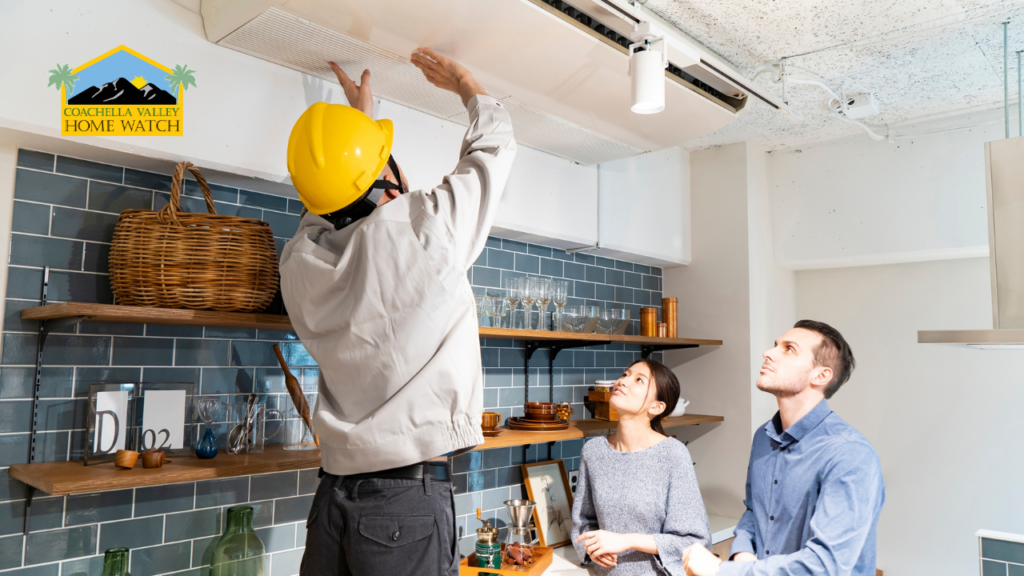
In an empty home, those same issues can continue quietly for days or weeks.
A slow leak under a sink.
A cracked irrigation line beneath gravel.
A water heater that begins to struggle.
Because no one is there to see or hear these changes, minor problems are given time to grow into major repairs. This is exactly why consistent inspections are so effective at preventing costly surprises.
4. Pests Prefer Quiet, Undisturbed Spaces
Empty homes are especially attractive to pests.
Rodents and insects look for:
- warmth
- shelter
- consistency
- lack of human activity
With no lights turning on and no daily movement, vacant homes provide ideal conditions for pests to settle in unnoticed.
Pest control experts consistently report increased indoor pest activity when temperatures begin to cool and homes remain undisturbed.
Once pests establish themselves, they often remain hidden in walls, attics, garages, or landscaping areas until damage is already done.
5. Systems Decline Faster Without Regular Use
Mechanical systems are designed to run.
When HVAC systems, plumbing, and electrical components sit idle:
- seals can dry out
- sensors may fail
- motors strain when restarted
- performance becomes inconsistent
Ironically, homes that are lived in often experience fewer system failures than those that sit empty. Regular use keeps components moving and reveals early warning signs before breakdowns occur.
This is one reason seasonal homeowners benefit from professional oversight when they’re away for extended periods.
6. Problems Compound Without Human Awareness
Perhaps the biggest difference between an empty home and a lived-in one is awareness.
People notice when something feels off:
- a room smells different
- the air feels heavy
- a floor feels damp
- a system sounds louder than usual
These subtle signals are early warnings. Without a human presence, they go unnoticed — and problems compound quietly over time.
Why Regular Check-Ins Make the Difference
Empty homes don’t deteriorate because they’re neglected intentionally.
They deteriorate because no one is there to notice small changes early.
Regular home check-ins restore what’s missing:
- visual inspections
- airflow awareness
- system monitoring
- early intervention
- peace of mind
They bridge the gap between absence and protection.
Frequently Asked Questions
• Do empty homes really deteriorate faster than occupied ones?
Yes. Without airflow, system use, and human awareness, small issues are more likely to go unnoticed and worsen over time.
• What problems are most common in vacant homes?
Humidity issues, leaks, pest activity, HVAC strain, irrigation problems, and stale air are among the most frequent.
• Isn’t it better that nothing is being used?
Not always. Many systems perform better with regular operation and observation than when sitting idle.
• How quickly can problems develop in an empty home?
Some issues can begin within days, especially leaks, airflow imbalances, or pest entry.
• What’s the best way to protect an unoccupied home?
Consistent, professional home watch visits that identify changes early and prevent escalation.




No comment yet, add your voice below!