


January often feels like a pause. The holidays are over, routines begin to settle, and there’s a sense of starting fresh. For seasonal homeowners, it’s also one of the most important times to check in on a property that may have been empty, lightly occupied, or overlooked during the busy end of the year.
A New Year home reset isn’t about major renovations or big projects. It’s about reviewing the small details that keep a home healthy, stable, and protected as the year begins.
Here’s what every seasonal homeowner should take time to review in January.
1. Indoor Environment and Airflow
After weeks of limited use, the first thing to review is how the home feels inside.
January is a good time to assess:
- temperature consistency between rooms
- airflow in closed spaces
- humidity or dryness
- musty or stale odors
When homes sit empty, air circulation drops, which can allow moisture or stale air to build up quietly. The Environmental Protection Agency notes that indoor air quality issues often develop when ventilation is limited, even in dry climates.
A walkthrough can reveal whether the home feels balanced or if something has shifted since the last visit.
2. Plumbing and Water Systems
Plumbing systems deserve special attention at the start of the year.
January is an ideal time to check:
- under sinks and around toilets
- water heater areas
- unused bathrooms
- signs of slow leaks or moisture
In vacant homes, small leaks often go unnoticed because there’s no daily activity to reveal them. Early detection prevents water damage that can worsen quietly over time.
This is one of the most common issues identified during professional home watch visits.
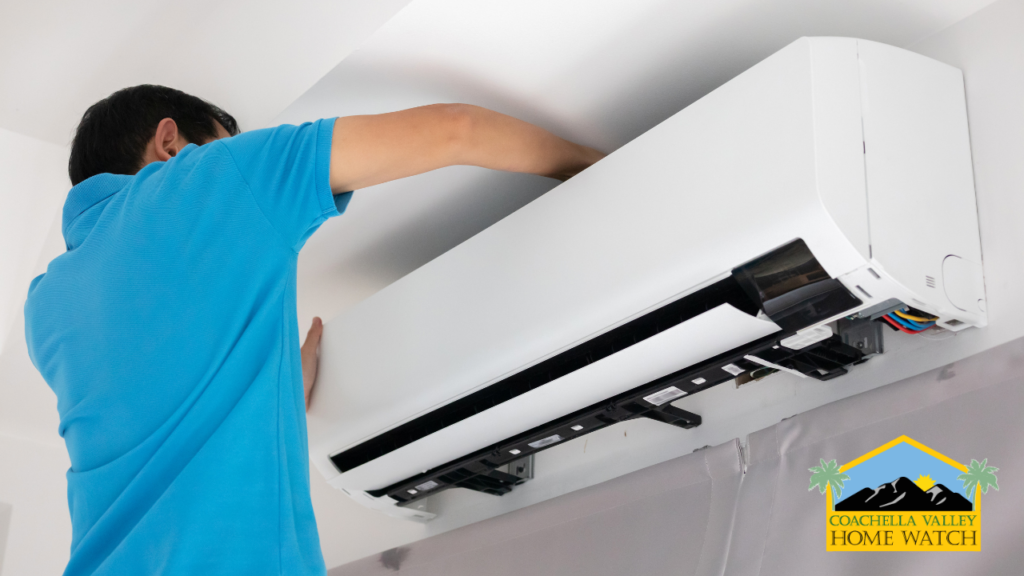
3. HVAC Performance After Holiday Use
Heating and cooling systems often work harder during the holiday season, even in mild desert winters.
At the start of the year, review:
- thermostat settings
- system noise or vibration
- uneven temperatures
- airflow from vents
According to the U.S. Department of Energy, HVAC systems perform best when they are monitored and adjusted regularly rather than left unattended.
Catching small HVAC issues in January can prevent system failures later in the year.
4. Irrigation and Exterior Conditions
Even in winter, exterior systems continue to operate.
January is a smart time to review:
- irrigation timers and zones
- sprinkler heads and drip lines
- signs of pooling water
- landscaping stress
Water authorities emphasize that irrigation issues are often overlooked during cooler months, allowing leaks to persist unnoticed.
For seasonal homeowners, exterior checks are especially important after periods of absence.
5. Signs of Pest Activity
Pest activity doesn’t stop in winter. In fact, quiet homes can attract rodents and insects seeking shelter.
January is a good time to look for:
- droppings or nesting material
- chewed seals or wiring
- insect activity in garages or storage areas
Early detection prevents infestations from becoming established during the year.
6. Security, Access, and Visibility
Finally, January is an ideal moment to review overall security.
This includes:
- doors and window seals
- garage access points
- exterior lighting
- unexpected packages or notices
Small changes, such as a door that doesn’t close the same way or a light that no longer works, can affect both security and the appearance of occupancy.
If you’re unsure what professional home watch inspections include at this stage, the FAQ section provides a clear overview.
Why a January Reset Matters
A New Year home reset isn’t about fixing what’s broken.
It’s about confirming what’s working and identifying subtle changes early.
Homes don’t stay frozen in time when they’re empty. They continue to shift, age, and respond to their environment. January offers a natural opportunity to check in, recalibrate, and move into the new year with confidence.
Consistent oversight turns uncertainty into peace of mind.
Frequently Asked Questionsوڑ
• Why is January a good time for a home reset?
January follows the holiday season and periods of absence, making it ideal for identifying issues early before they worsen.
• What problems are most common after the holidays?
Plumbing leaks, airflow issues, HVAC strain, irrigation problems, and early pest activity are frequently found.
• Do seasonal homes really need checks in winter?
Yes. Many issues develop quietly during cooler months when homes are used less or left empty.
• How often should seasonal homes be reviewed?
Weekly or bi-weekly checks are common, depending on the property and systems.
• What’s the main benefit of a New Year home reset?
Peace of mind. Knowing your home is stable at the start of the year prevents surprises later.





No comment yet, add your voice below!