
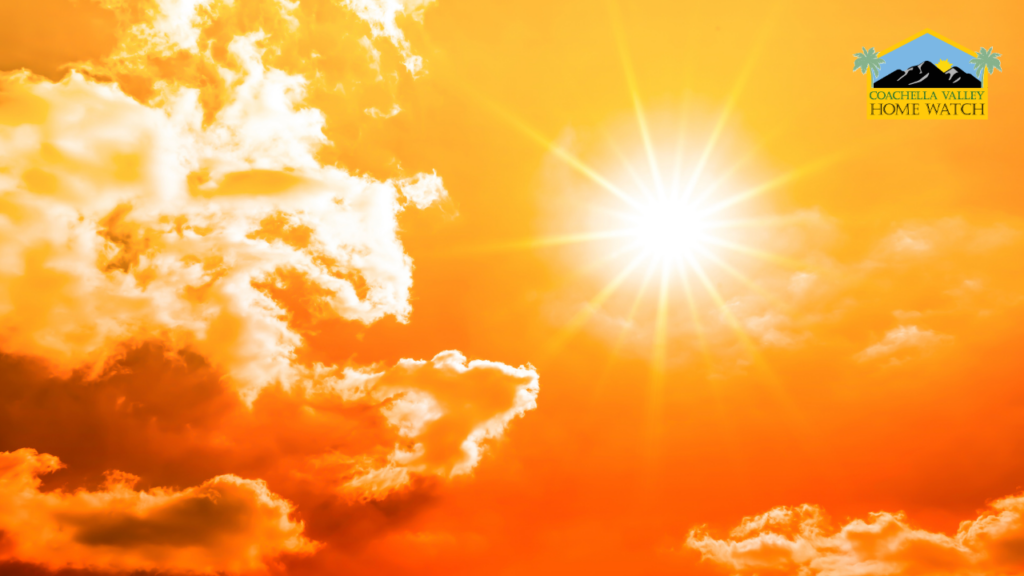
Summer in the Coachella Valley is relentless.
Day after day, temperatures climb into the triple digits. While homeowners often think about the immediate effects of heat, few consider what happens when a home sits vacant through an entire summer season.
One hot day is rarely the problem.
But 90 consecutive days of extreme heat can quietly impact nearly every part of a property.
And by the time many homeowners return, the damage has already begun.
☀️ Heat Is a Slow Stress Test for Your Home
Think of extreme heat as a daily stress test.
Every day your home experiences:
- solar exposure
- expanding materials
- HVAC strain
- increased water demand
- environmental fluctuations
According to the U.S. Department of Energy, prolonged periods of high temperatures significantly increase demands on cooling systems and home infrastructure.
One week may not create noticeable changes.
Ninety days can.
❄️ HVAC Systems Rarely Fail Overnight
Air conditioning systems don’t usually stop working without warning.
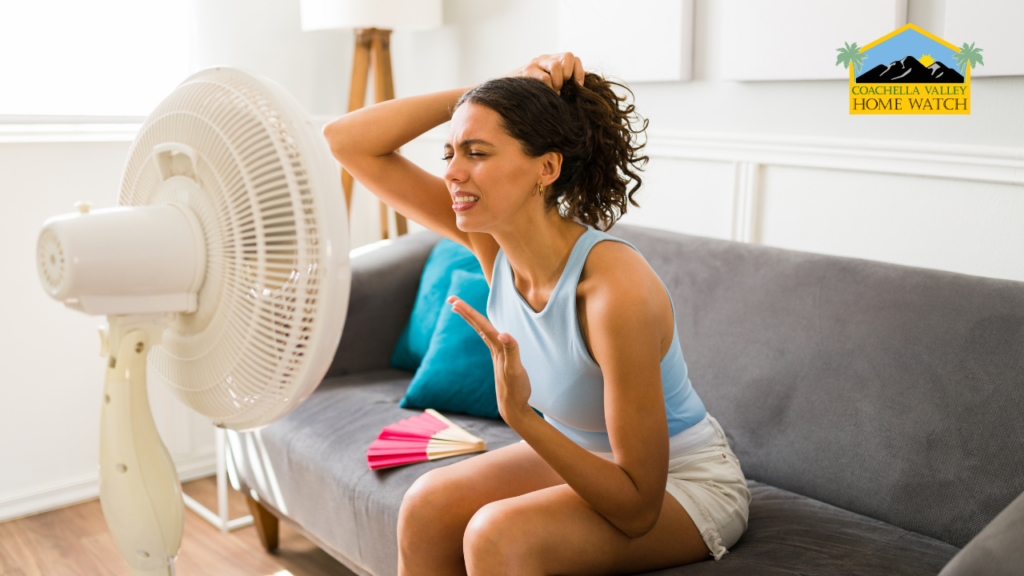
Instead, months of extreme heat can lead to:
- reduced efficiency
- longer cooling cycles
- increased wear on components
- airflow issues
A vacant home provides no daily feedback.
No one notices if the system:
- runs longer
- cools unevenly
- struggles to maintain temperature
Small issues can quietly become major repairs.
🏠 Roofing Materials Endure Constant Expansion and Contraction
Every day, roofing materials absorb intense desert heat.
Every night, temperatures cool.
This repeated cycle causes:
- expansion
- contraction
- seal deterioration
- flashing wear
Minor vulnerabilities can gradually develop into larger concerns.
The damage often remains invisible until storm season or cooler weather reveals it.
💧 Irrigation Systems Face Their Toughest Season
Summer is the most demanding period for landscaping.
Over 90 days:
- leaking valves waste significant water
- broken sprinkler heads damage landscapes
- controller failures go unnoticed
The Coachella Valley Water District recommends regular irrigation monitoring during hot weather to identify issues early.
A small irrigation problem in June may become a costly landscape repair by September.
🌬️ Indoor Conditions Slowly Change
Many homeowners assume a closed home remains unchanged.
It doesn’t.
Over months of heat:
- air quality can shift
- humidity levels fluctuate
- odors develop
- environmental conditions change
According to the Environmental Protection Agency, proper ventilation and moisture management play critical roles in maintaining healthy indoor environments.
The longer a home sits unattended, the more likely subtle environmental changes go unnoticed.
🐭 Pests Love Long Periods of Vacancy
Ninety days is plenty of time for pests to establish themselves.
Vacant homes provide:
- shelter
- shade
- limited disturbance
Small entry points that might otherwise be discovered can remain unnoticed throughout the summer.
🔍 Why Time Matters More Than Temperature
Most homeowners focus on how hot it gets.
But the bigger factor is how long the heat lasts.
A single 115°F day is stressful.
Ninety consecutive days of extreme temperatures create cumulative wear on:
- HVAC systems
- roofing
- irrigation
- landscaping
- indoor environments
That’s why routine inspections are critical.
Professional home watch visits help identify:
- developing maintenance concerns
- HVAC issues
- irrigation problems
- environmental changes
- signs of pest activity
before they become expensive repairs.
One day of heat won’t damage your home.
But 90 days without oversight can.
👉 Don’t wait until the end of summer to discover problems that started in June.
👉 Schedule professional home watch services today:
Because protecting a vacant home isn’t about reacting to damage. It’s about preventing it.
❓ FAQ – 90 Days of Extreme Heat & Vacant Homes
1. Can prolonged heat damage a vacant home?
Yes. Extended heat affects HVAC systems, roofing materials, irrigation systems, and indoor conditions.
2. Why is 90 days significant?
Because cumulative stress creates wear that may not be noticeable after just a few days.
3. Can HVAC systems struggle without failing completely?
Absolutely. Many problems develop gradually over time.
4. Does heat affect roofing materials?
Yes. Constant expansion and contraction accelerate wear.
5. Can landscaping suffer during long periods of heat?
Yes. Irrigation issues can quickly impact plants and property appearance.
6. Are pests more likely to enter during summer?
Vacant homes often become attractive shelter during extreme heat.
7. How can homeowners reduce summer-related risks?
Regular inspections and professional home watch services provide ongoing oversight.