
It’s one of the most common questions homeowners ask before leaving their property for an extended period:
“How long can my home sit empty before something starts to go wrong?”
The honest answer is simpler — and more concerning — than most people expect:
Problems don’t wait weeks or months.
They can start within days.
The First Few Days: Subtle Changes Begin
In the first few days of vacancy, nothing appears wrong.
But inside the home:
- air circulation changes
- humidity begins to shift
- systems run without supervision
These are not visible issues — but they are the starting point.
According to the U.S. Environmental Protection Agency, indoor air conditions can change quickly when ventilation is reduced.
After 1–2 Weeks: Minor Issues Can Develop
This is when the first real risks begin to form.
Common early issues:
- small plumbing leaks
- irrigation misalignment
- HVAC inefficiencies
- pest exploration
These problems are still minor — but without anyone present, they go unnoticed.
After 30 Days: Problems Start Compounding
Once a home sits vacant for a month, small issues begin to grow.
A slow leak becomes:
- cabinet damage
- flooring damage
- mold risk
An HVAC issue becomes:
- humidity imbalance
- system strain
- higher failure risk
The Insurance Information Institute reports that many major home claims originate from small issues left undetected.
After 60 Days: Risk Increases Significantly
At this stage, the risk is no longer theoretical.

Common scenarios:
- water damage spreads
- pests settle in
- systems begin failing
- exterior damage worsens
Without intervention, what started as a small issue can now require thousands in repairs.
The Federal Emergency Management Agency emphasizes that early detection is key to reducing property damage.
Why Vacant Homes Are More Vulnerable
The issue isn’t just time — it’s lack of awareness.
In an occupied home:
- you hear unusual sounds
- you notice temperature changes
- you see water or damage early
In a vacant home:
- problems continue uninterrupted
- systems operate without feedback
- no one reacts to early warning signs
That’s what allows issues to escalate.
What Actually Prevents Problems
The key isn’t guessing how long a home is “safe.”
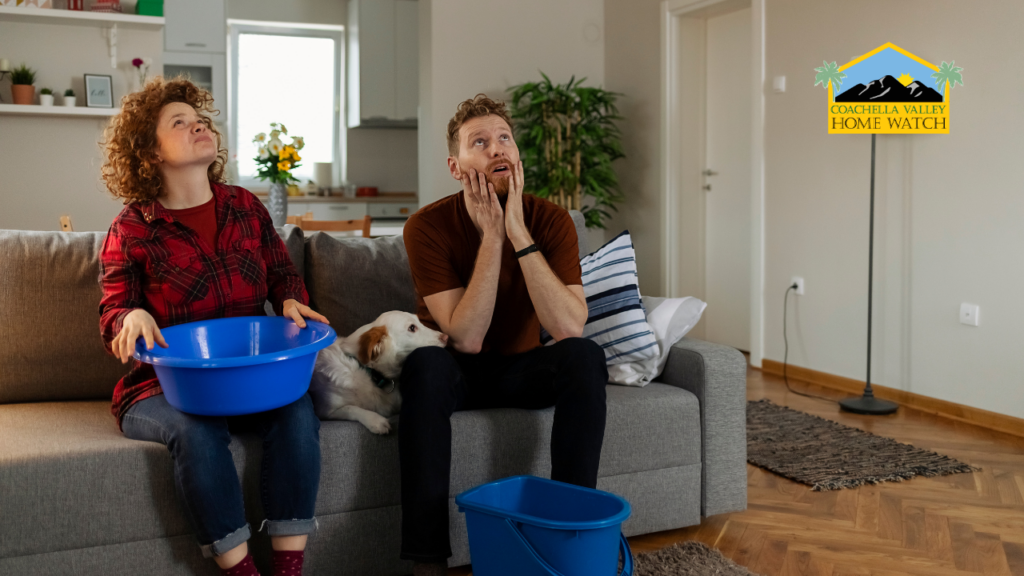
The key is making sure:
- someone is checking the property regularly
- systems are monitored
- small issues are caught early
Professional home watch services provide structured, consistent oversight.
If you’re unsure how it works, this guide explains it clearly.
You can also review common questions here.
❓ FAQ – Vacant Homes & Timing Risks
1. How long can a home sit vacant safely?
There is no guaranteed “safe” period — small issues can begin within days.
2. What is the biggest risk in a vacant home?
Undetected problems, especially water leaks and system failures.
3. Do problems really start that quickly?
Yes. Many issues begin subtly within the first 1–2 weeks.
4. Is 30 days too long to leave a home empty?
It depends on oversight — without monitoring, risk increases significantly.
5. Can cameras prevent these issues?
No. Cameras cannot detect most system or maintenance problems.
6. How often should a vacant home be checked?
Regular scheduled visits are recommended, especially beyond 1–2 weeks.
7. Does insurance require home checks?
Some policies include conditions for vacant homes, so monitoring is important.
If your home is going to sit empty for weeks — or even days — the question isn’t “Will something happen?”
It’s “Will anyone notice when it does?”
👉 Don’t wait until small issues turn into expensive damage
👉 Schedule professional home watch services today:
https://coachellavalleyhomewatch.com/contact/
Because the sooner a problem is noticed, the easier it is to fix.