
One of the first things homeowners notice when returning to a vacant property is the smell.
Sometimes it’s subtle.
Sometimes it’s immediate.
The home may look perfectly fine, yet something feels different the moment you walk inside.
That change in smell is not random. In many cases, it’s one of the earliest signs that the environment inside the home has changed while the property was sitting vacant.
And understanding why this happens can help homeowners identify problems before they become expensive repairs.
🌬️ Homes Need Airflow and Activity
Occupied homes naturally create movement.
Doors open.
Air circulates.
Systems adjust throughout the day.
Humidity changes are noticed quickly.
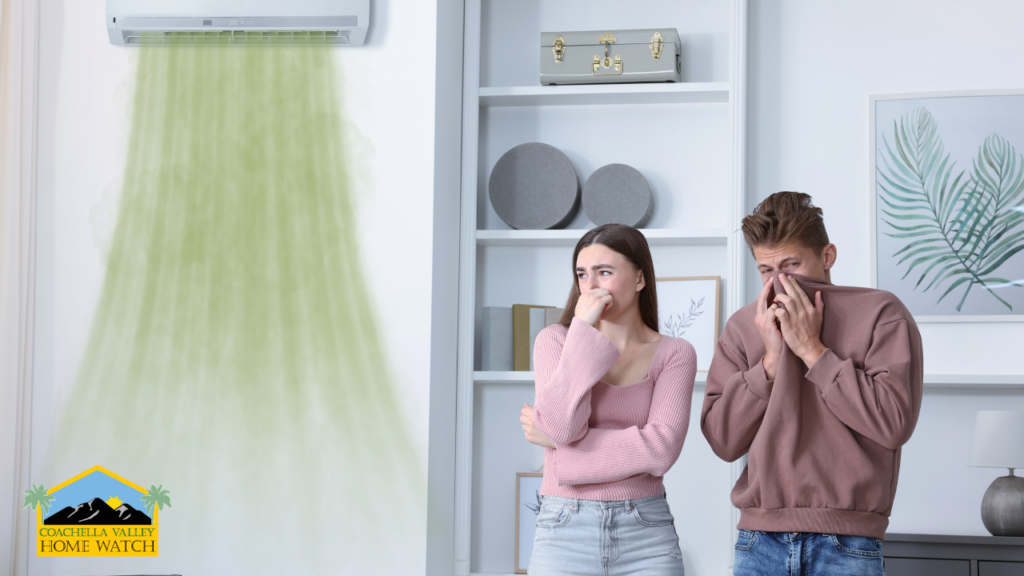
But when a home sits empty, airflow becomes stagnant. The environment inside the property starts behaving differently.
According to the U.S. Environmental Protection Agency, indoor air quality changes significantly when ventilation and airflow are reduced.
Even if the home looks clean, the indoor environment may slowly begin changing over time.
💧 Humidity and Hidden Moisture Create Odors
One of the most common reasons vacant homes smell different is moisture.
Moisture may come from:
- minor plumbing leaks
- HVAC imbalance
- condensation
- poor airflow
- irrigation-related humidity near the structure
At first, this moisture may not create visible damage. But over time, it changes the air quality inside the home.
A faint musty smell is often one of the first warning signs.
The Centers for Disease Control and Prevention notes that damp indoor environments can quickly affect odor and air quality, even before visible mold appears.
❄️ HVAC Systems Play a Bigger Role Than Most Homeowners Realize
Heating and cooling systems help regulate more than temperature.
They also help manage:
- humidity
- airflow
- air circulation
- indoor balance
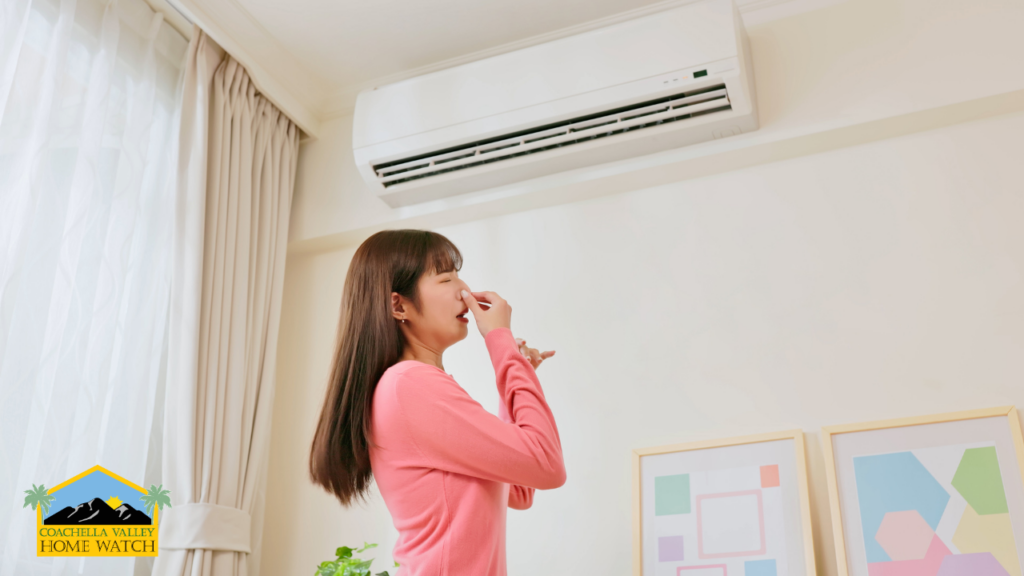
If an HVAC system is not functioning correctly while a home is vacant, stale air and moisture can begin building up quietly.
The U.S. Department of Energy emphasizes that proper HVAC maintenance is essential for indoor environmental quality.
🐭 Odors Can Also Signal Pest Activity
Sometimes unusual smells are connected to pests entering the home.
Vacant homes are attractive to:
- rodents
- insects
- nesting pests
Small entry points combined with a quiet environment make vacant homes easier targets.
In many cases, smell becomes the first clue that something is wrong.
👃 Smell Is Often an Early Warning Sign
What makes odor important is that it usually appears before major visible damage.
That means:
- homeowners may not see a problem yet
- but the environment inside the home is already changing
Professional home watch visits help identify:
- humidity changes
- HVAC irregularities
- moisture signs
- unusual odors
- environmental shifts
before they escalate into larger issues.
To understand how home watch inspections work.
⚠️ Why Homeowners Should Never Ignore a Change in Smell
A vacant home should not develop strong or unusual odors.
When it does, it often means:
- moisture is present
- airflow has changed
- systems are not functioning properly
- environmental conditions are shifting
The smell itself is not always the problem.
It’s the warning sign that something else may already be developing behind the scenes.
If your home smells different after sitting vacant, don’t ignore it.
Small environmental changes can become major repairs when left unnoticed.
👉 Protect your home with regular professional oversight
👉 Schedule home watch services today:
https://coachellavalleyhomewatch.com/contact/
Because sometimes the first sign of a problem is something you can’t see — only smell.
❓ FAQ – Vacant Homes & Odors
1. Why do vacant homes develop odors?
Because airflow, humidity, and environmental conditions change when a home sits empty.
2. Is a musty smell always mold?
Not always, but it can indicate moisture or poor ventilation.
3. Can HVAC issues cause odors?
Yes. Poor airflow and humidity imbalance often affect indoor air quality.
4. Do vacant homes smell different faster in warm climates?
Yes. Heat and humidity can accelerate environmental changes.
5. Can pests create unusual smells?
Yes. Rodents and pests are common causes of odors in vacant homes.
6. Is smell an early warning sign?
Very often, yes. Odor changes can signal hidden issues before visible damage appears.
7. How can homeowners prevent these problems?
Through regular inspections, airflow management, and professional home monitoring.